Applications
Information regarding Apprentice Electrician application requirements and instructions for obtaining an application can be found below:
Click here for Apprentice Electrician Application Requirements & Application Information
Five and One-Half Year Program
The Apprentice Program of the Electrical Industry of IBEW Local Union No. 3 includes a minimum of 35 hours per week on-the-job training for four years plus the following requirements:
- Mandatory attendance at related instruction for four (4) hours per week;
- Classroom instruction in Electrical Theory; and
- Three (3) hours per week in college courses leading to an associate degree.
The fifth and final period will consist of four (4) hours per week of related instruction for 18 months and a minimum of 35 hours per week of work (from 18 months to two years).
For more information, see the Apprenticeship Training Program Brochure. For frequently asked questions, click here.
Minimum Requirements
- All applicants must be 18 years of age when applying.
- Education: One year of algebra/regents math is required. Official transcripts from all high schools and/or colleges will be submitted at time of application.
Two (2) year residence in the Greater New York Metropolitan Area immediately prior to receiving application.
We Are Selective
- We are seeking men and women of all races who demonstrate the best characteristics, aptitude, motivation and personality traits conducive to success in our trade. Employers and union representatives interview all qualified candidates in an effort to select the best candidates.
- A good candidate is one with a record of having done well in school, especially in math and science, one who has demonstrated reliability and a sincere desire to succeed.
- Our candidates are expected to be punctual, prompt, on time, reliable and conscientious to their daily tasks on the jobsite and in their classroom activities each and every day.
- Our Training is extensive, with working on the jobsite during the day and then Electrical Theory and college classes at night paid for by our Apprentice Training program.
- The electrical trade is becoming more technical each day. It is a great opportunity to be selected into the Apprentice Training Program and it is granted only to those who are the very best. All who are accepted for apprenticeship are fortunate to be a part of an industry that is devoted to their well being. They will benefit from the knowledge and experience of the journeypersons who teach them the trade and will be an asset to the union that represents them, the contractors who employ them, and to the customers they serve.
Hands-On Training Schedule
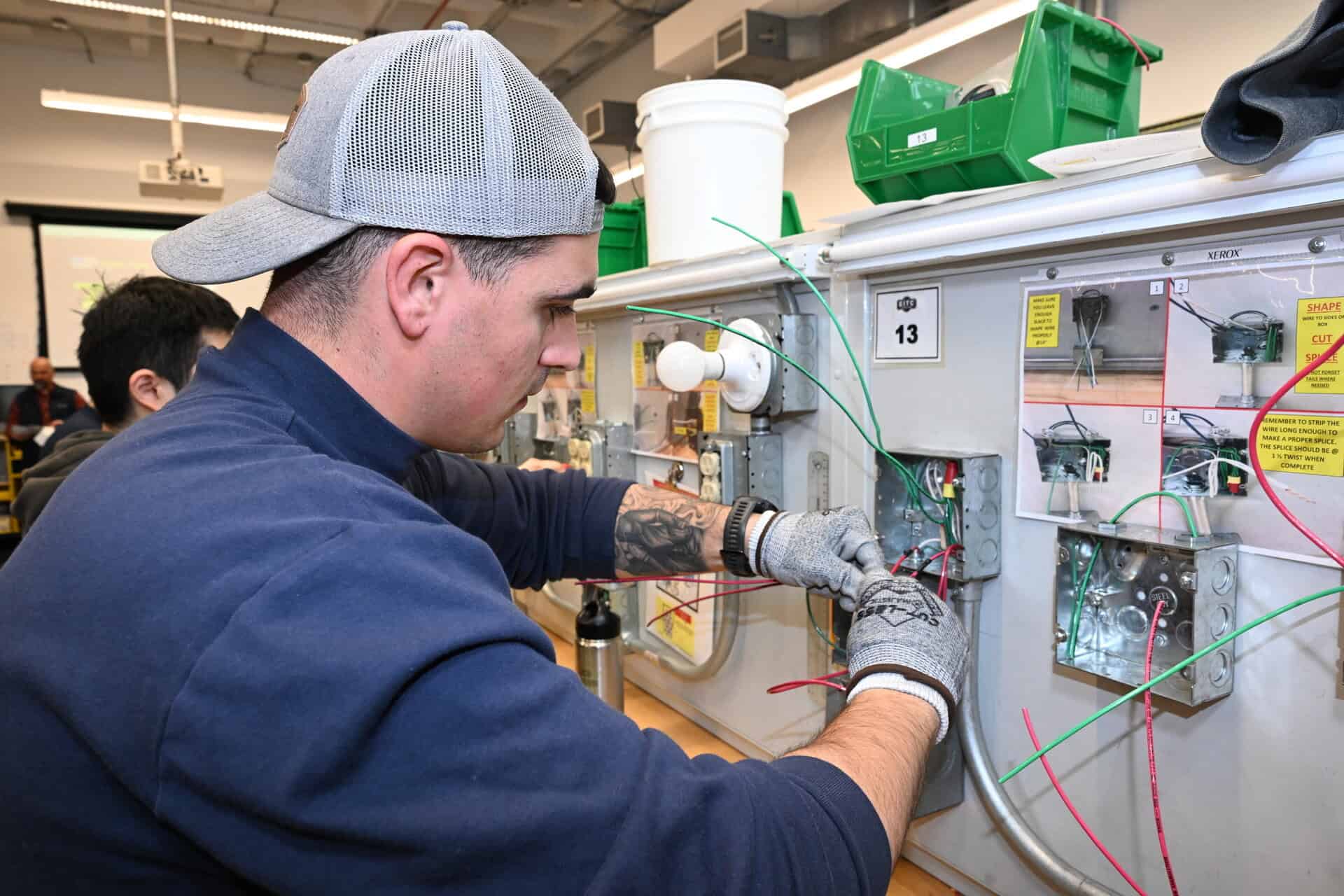
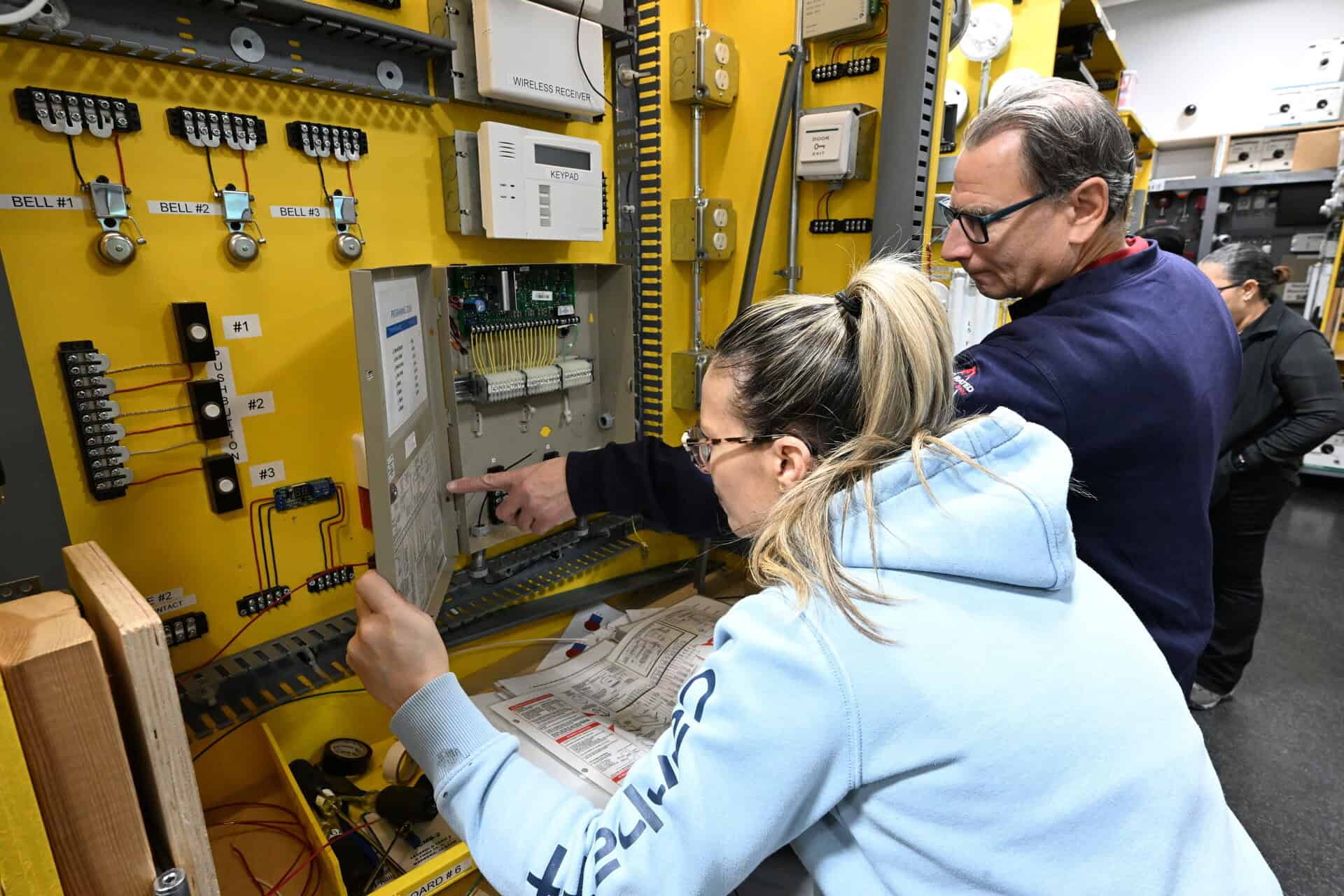
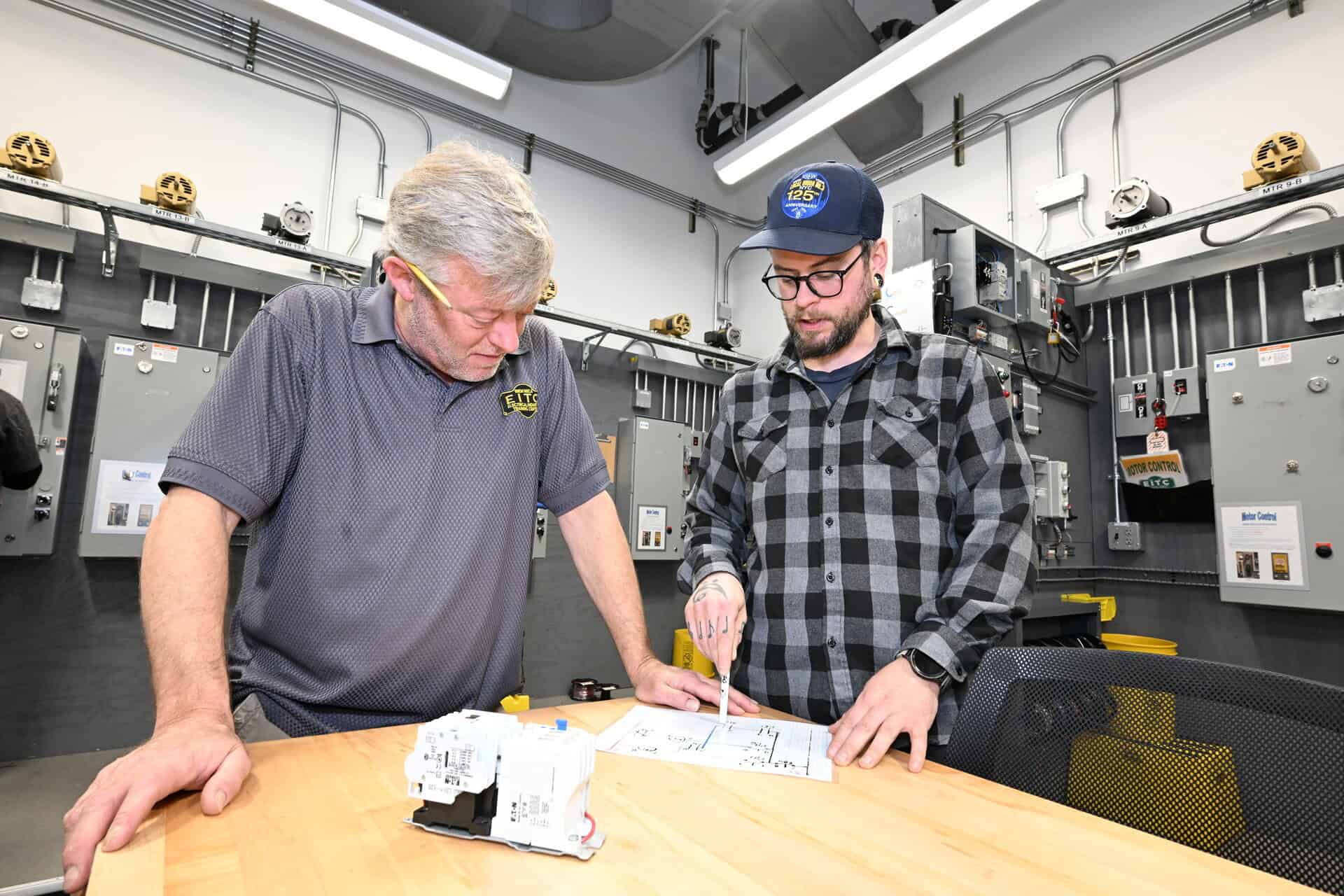
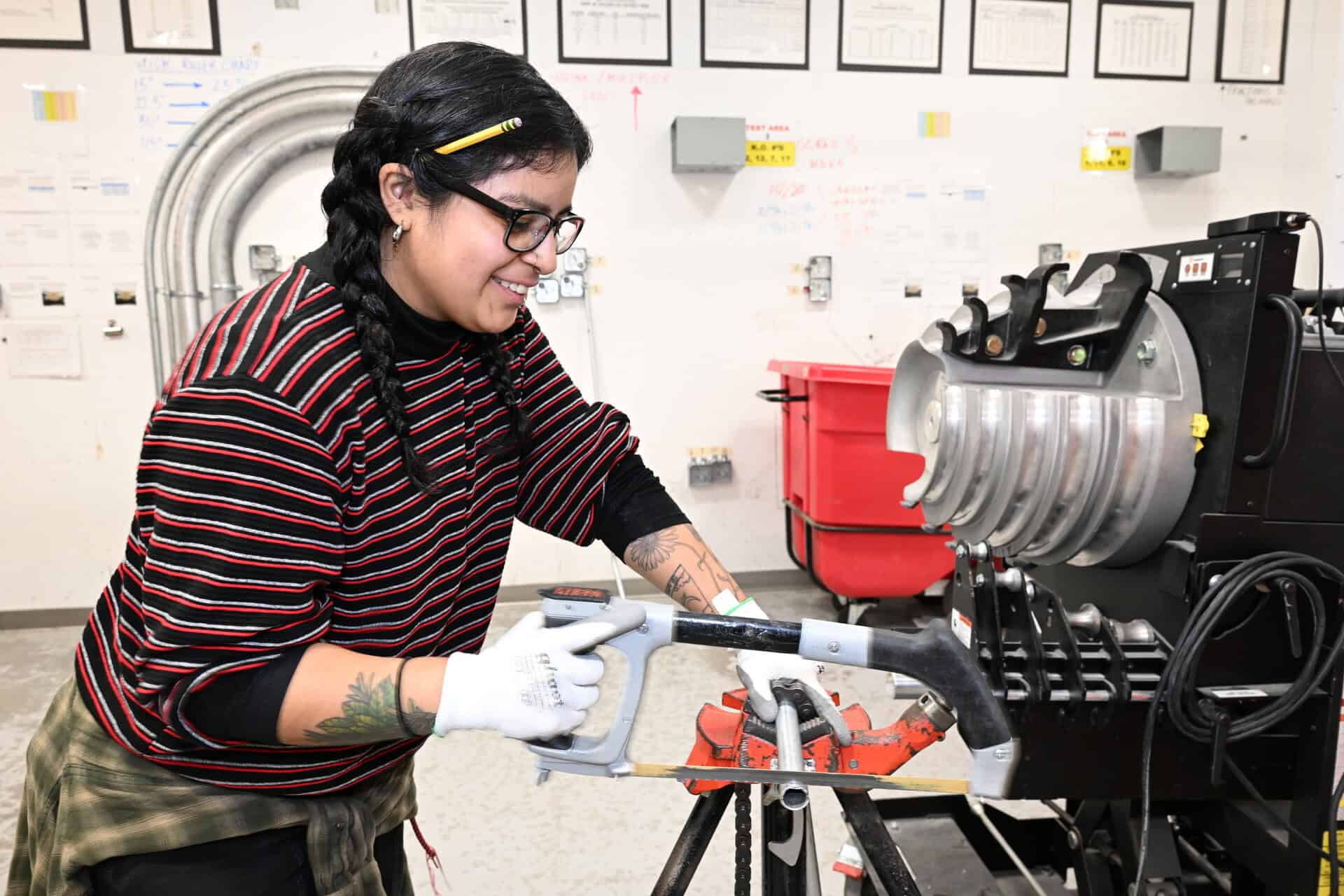
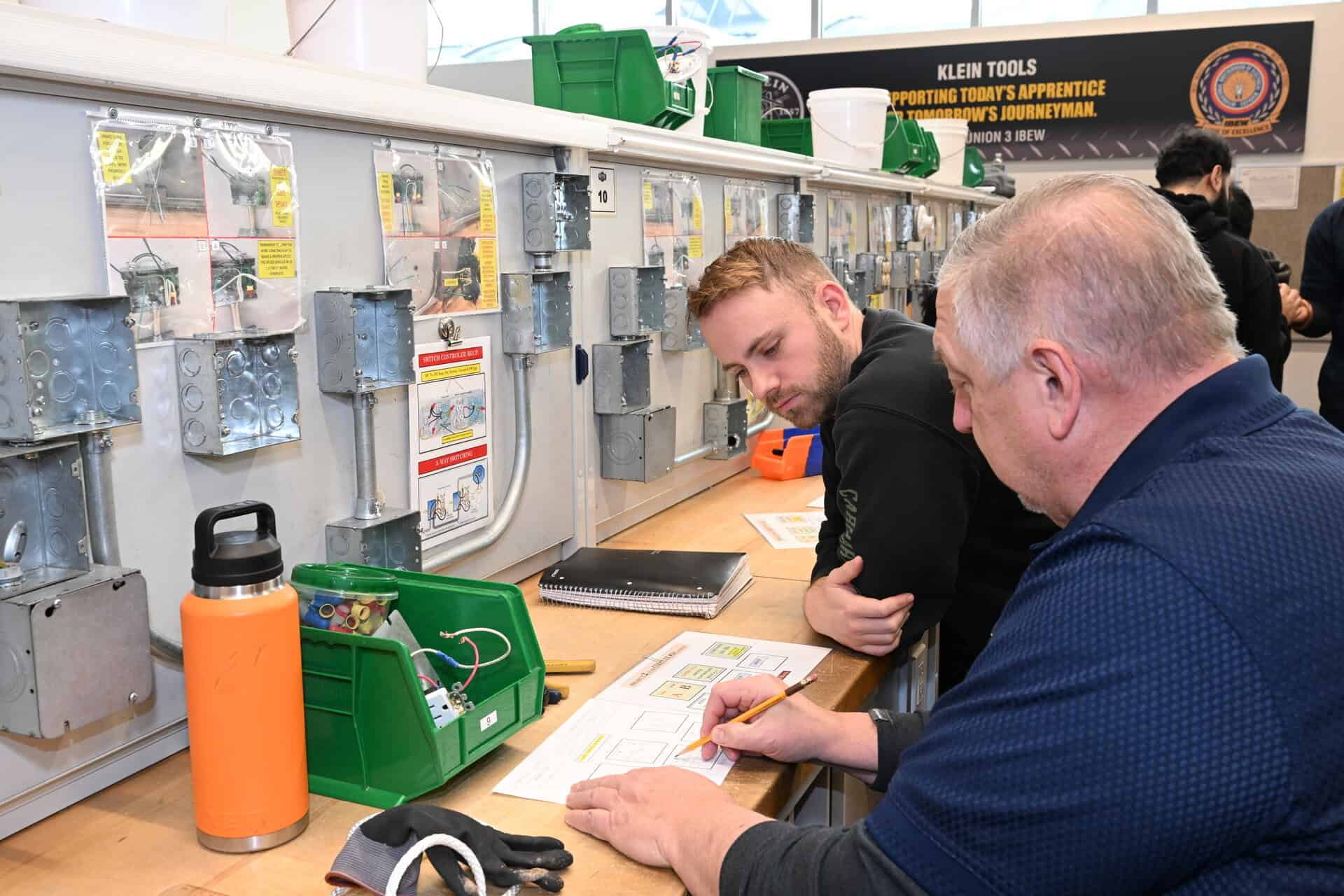
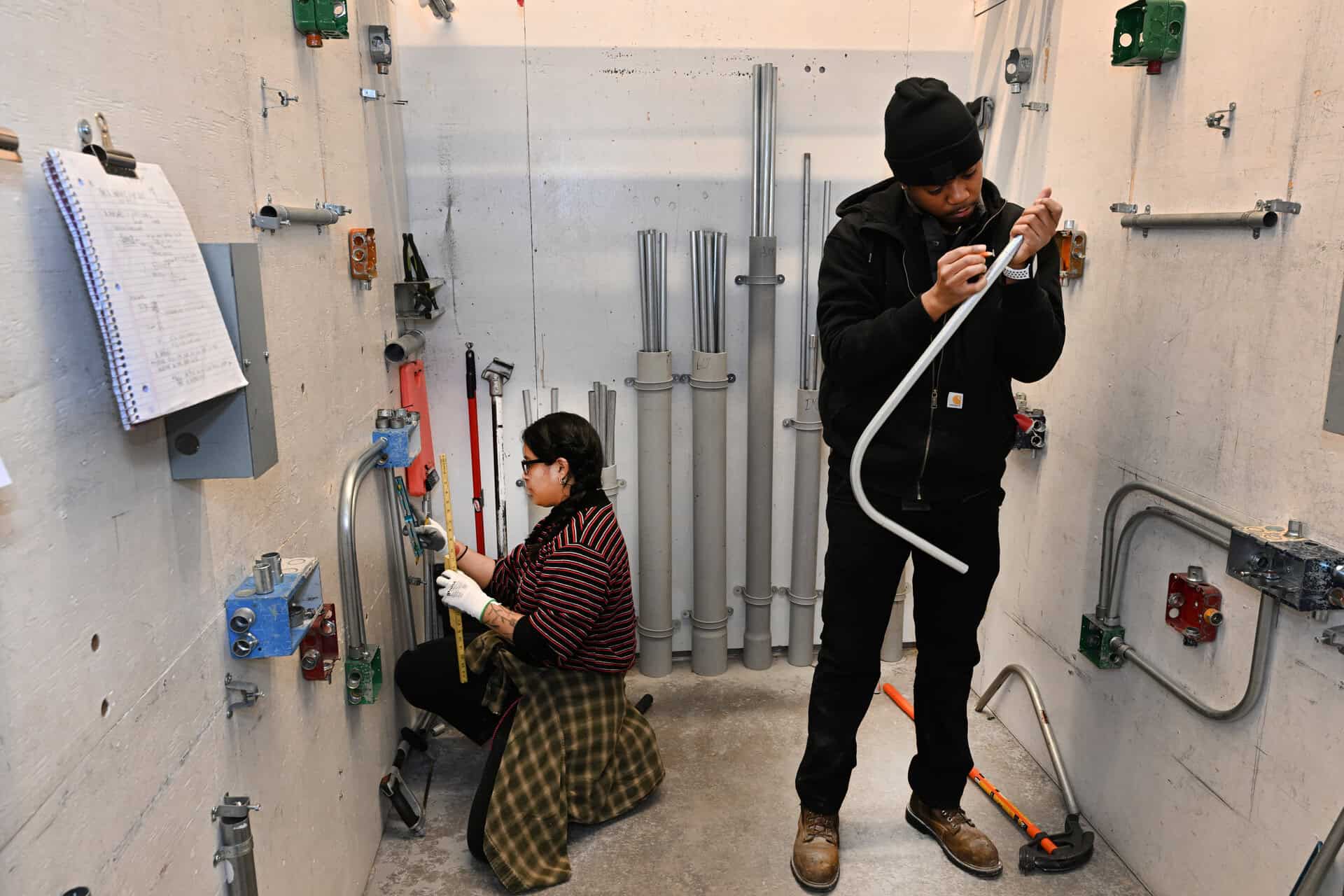
Apprentices receive practical “hands on” training every six months in an intensive Monday to Friday schedule from 7:30 AM to 4:00 PM at our Electrical Industry Training Center in Long Island City. After completing the classes, apprentices return to their contractor on the following Monday.
Real-World Skill Application
After training, apprentices apply skills for their contractors, reinforcing learning through real-world experience. Each class is 2 hours, builds on the previous one and is led by three instructors, each bringing 15 to 40 years of hands-on experience across various aspects of electrical construction in NYC.
Progressive Learning Structure
The program advances from foundational concepts to specialized topics over four years, preparing apprentices for industry demands. Many classes emphasize the importance of green technology, starting with Basic Wiring and continuing through Lighting Controls, Building Management Systems, and Motor Controls. In the fifth year of apprenticeship, we integrate these concepts through specialized courses such as Green Professionals and Electric Vehicle Training, bringing the curriculum together for a comprehensive understanding.
Timeline Stages and Progression
| STAGE | JOB SITE EXPERIENCE | CURRICULUMS |
|---|---|---|
| 1 New | 0-6 months | Basic Wiring–1, Conduit Bending-1, Tools & Materials-1, CPR |
| 1 Old | 6-12 months | Basic Wiring–2, Conduit Bending-2, Tools & Materials-2, Blueprints-1 |
| 2 New | 12-18 months | Basic Wiring–3, Conduit Bending-3, Tools & Materials-3, Blueprints-2 |
| 2 Old | 18-24 months | Basic Wiring–4, Conduit Bending-4, Tools & Materials-4, Test Instruments-1 |
| 3 New | 24-30 months | Transformers, Lighting Controls-1, Test Instructments-2, Electrical Safety |
| 3 Old | 30-36 months | Fire Alarm, Lighting Controls-2, Security Systems |
| 4 New | 36-42 months | Rigging, Virtual Reality, Job Efficiency, Bonding & Grounding |
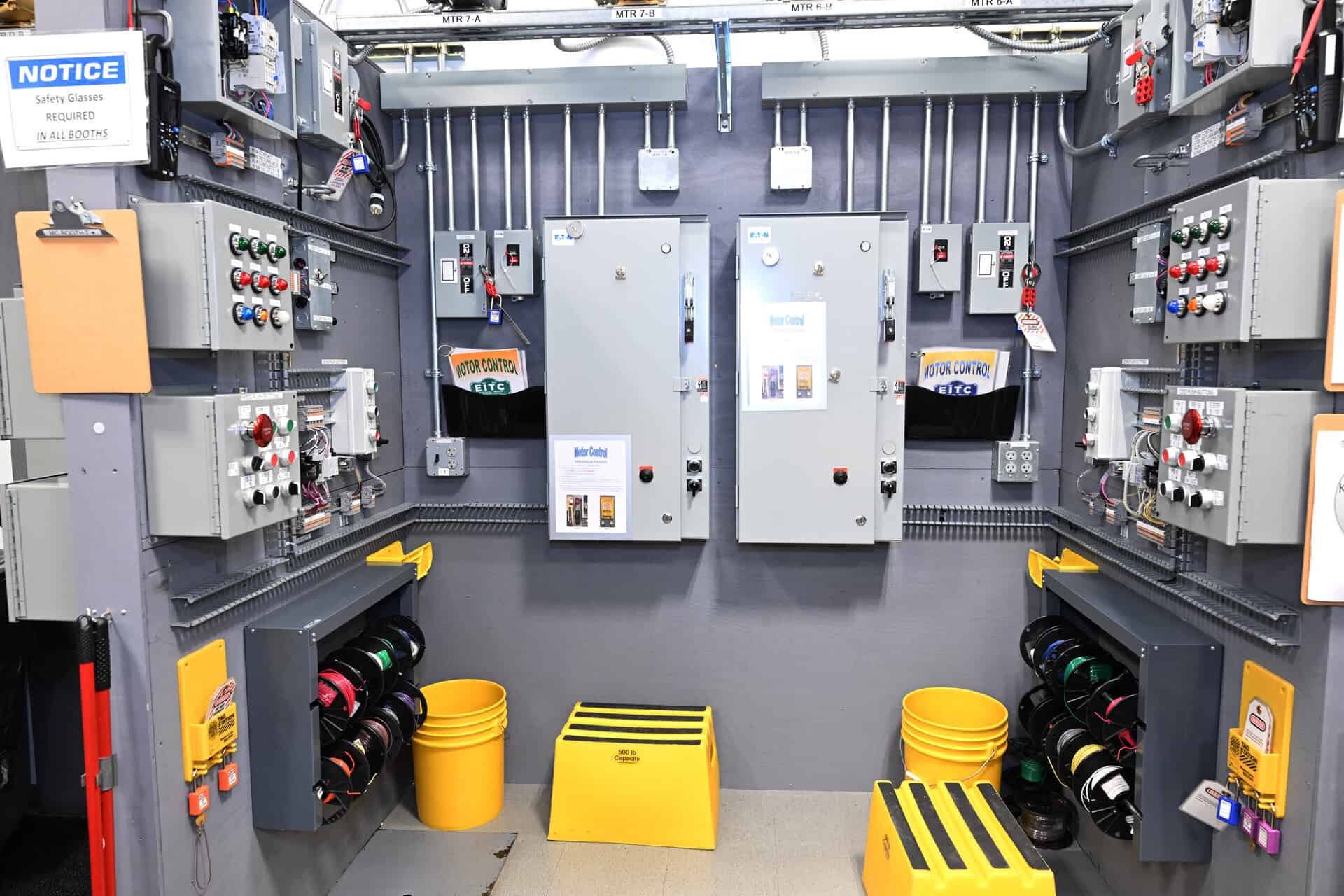
| 4 Old | 42-48 months | Motor Controls, BMS, Conduit Review |
The Electrical Industry Training Center
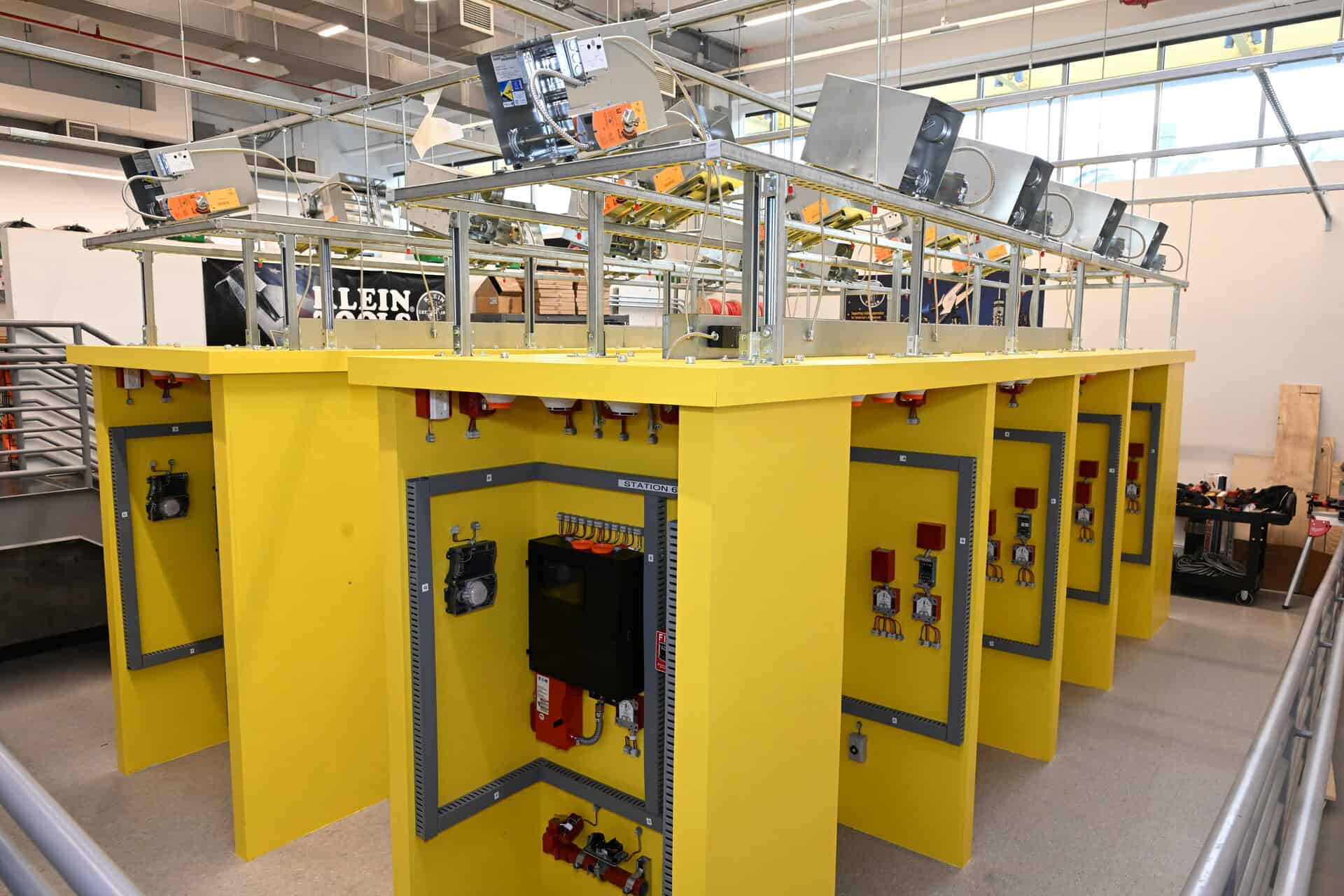
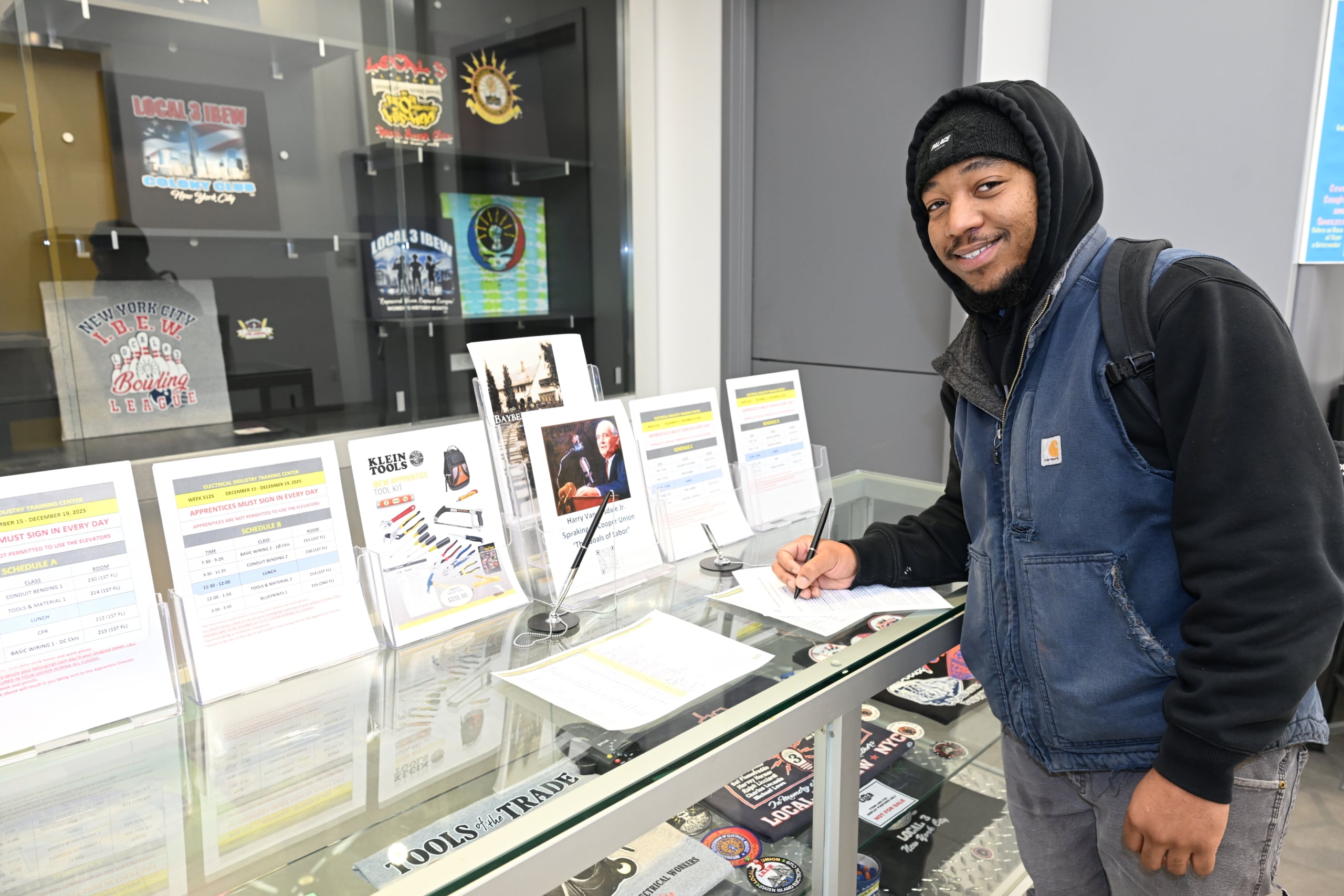
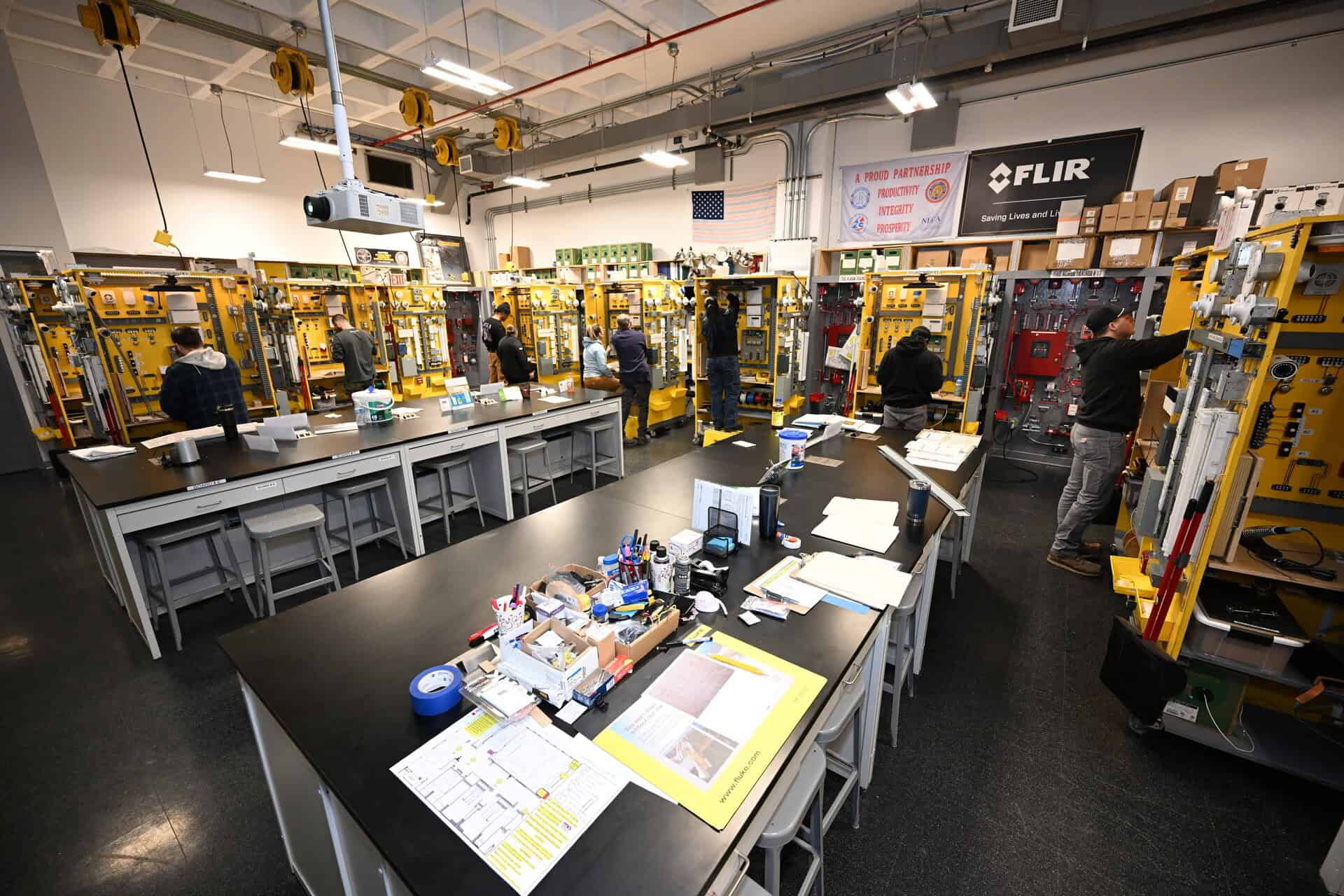
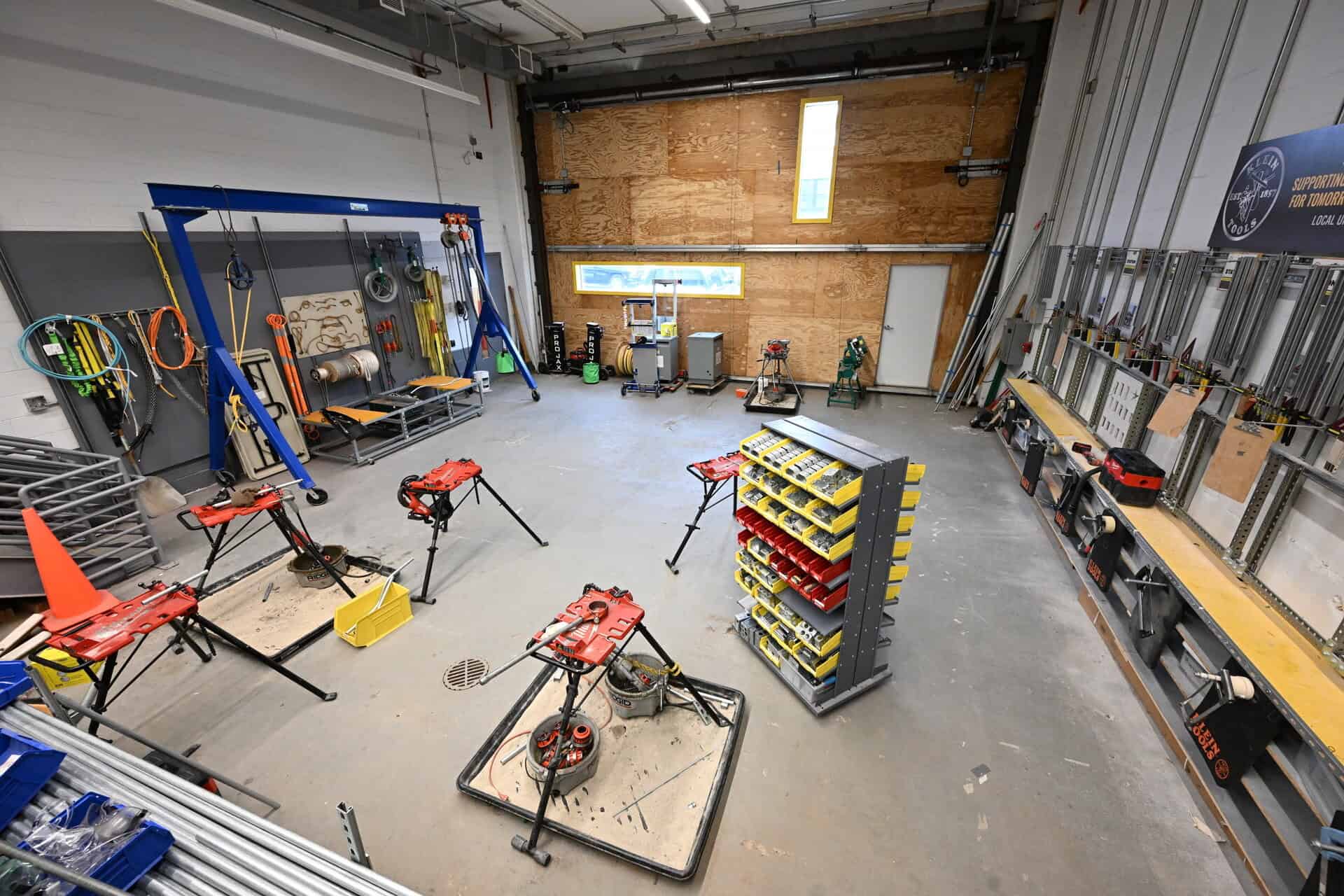
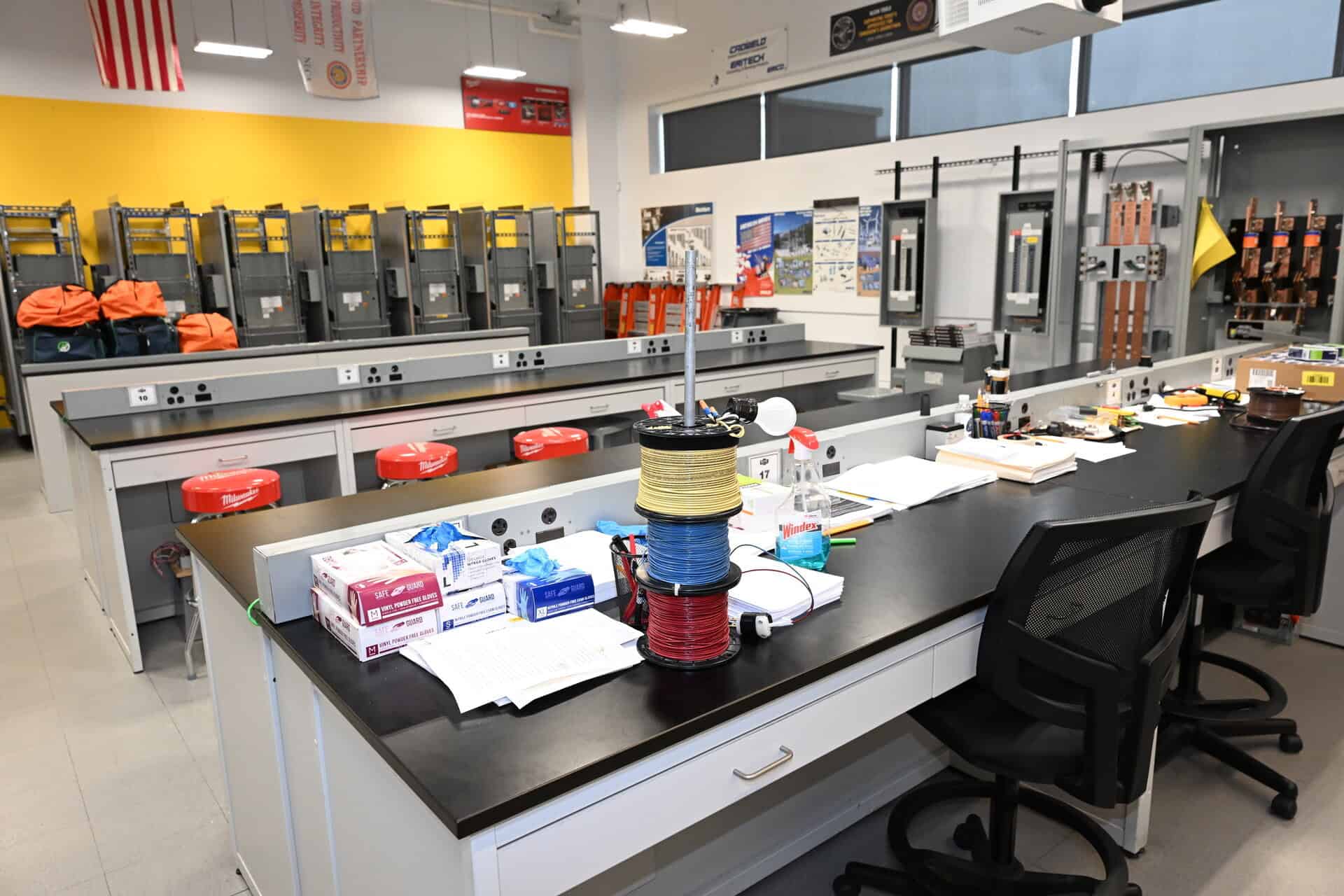
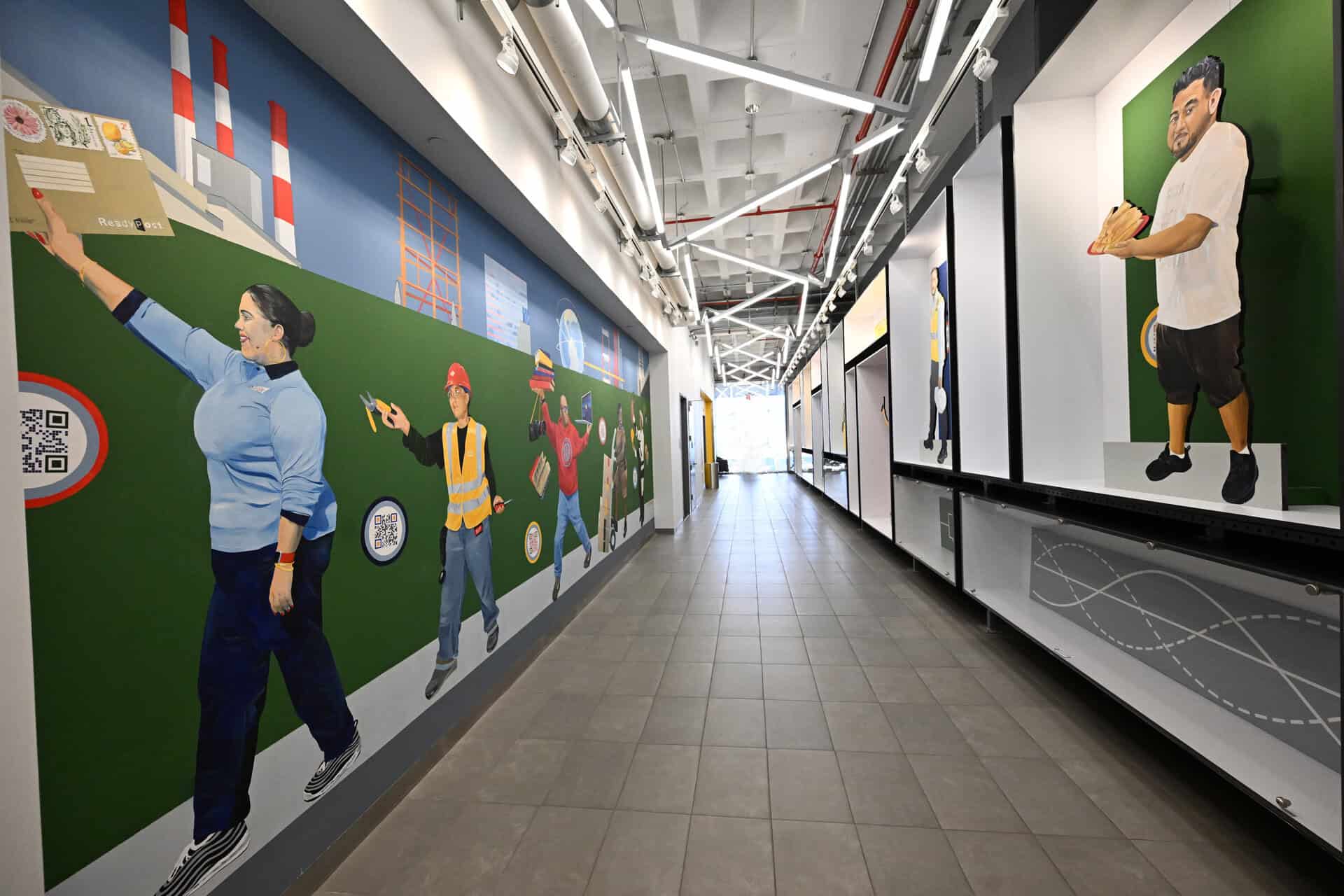
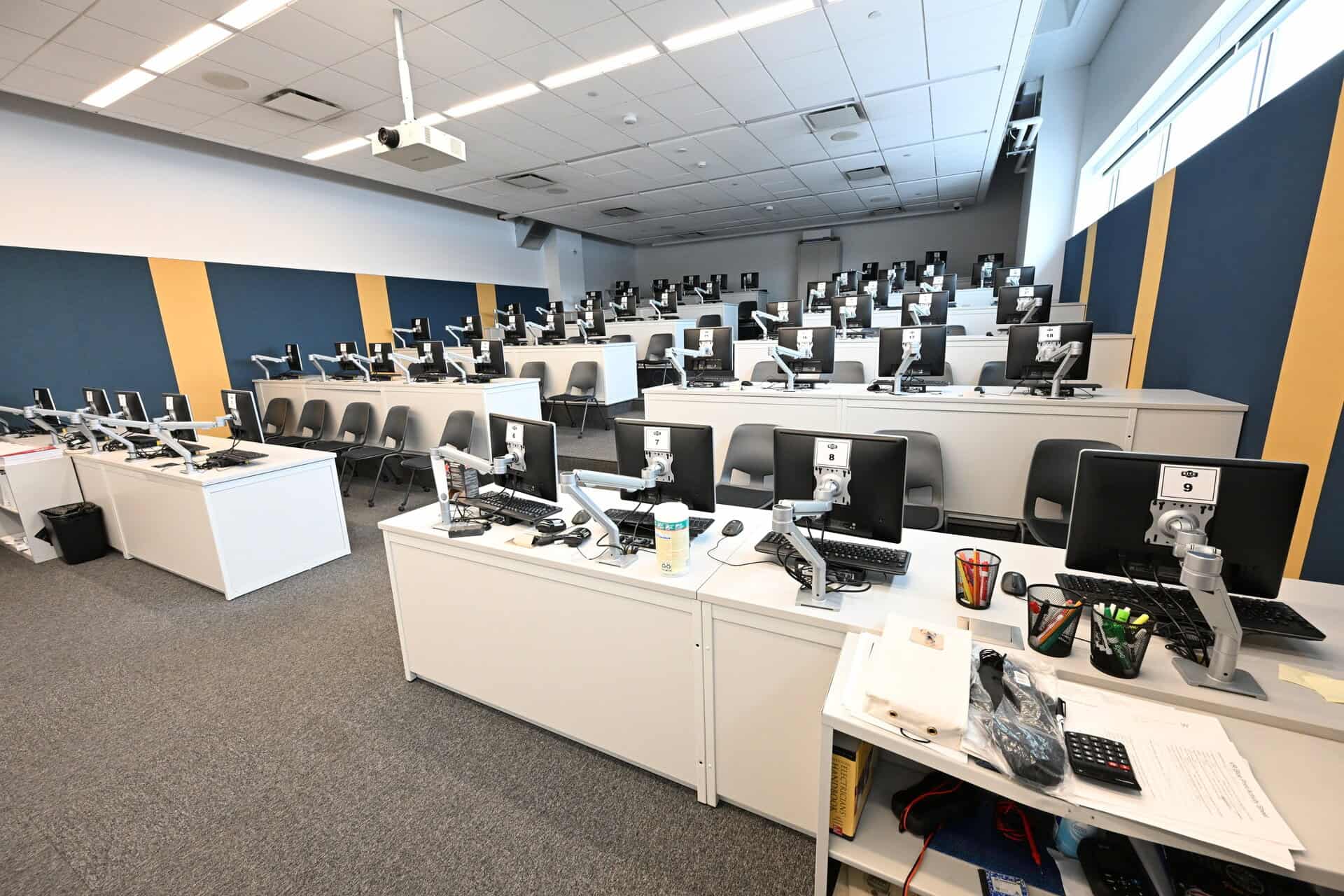
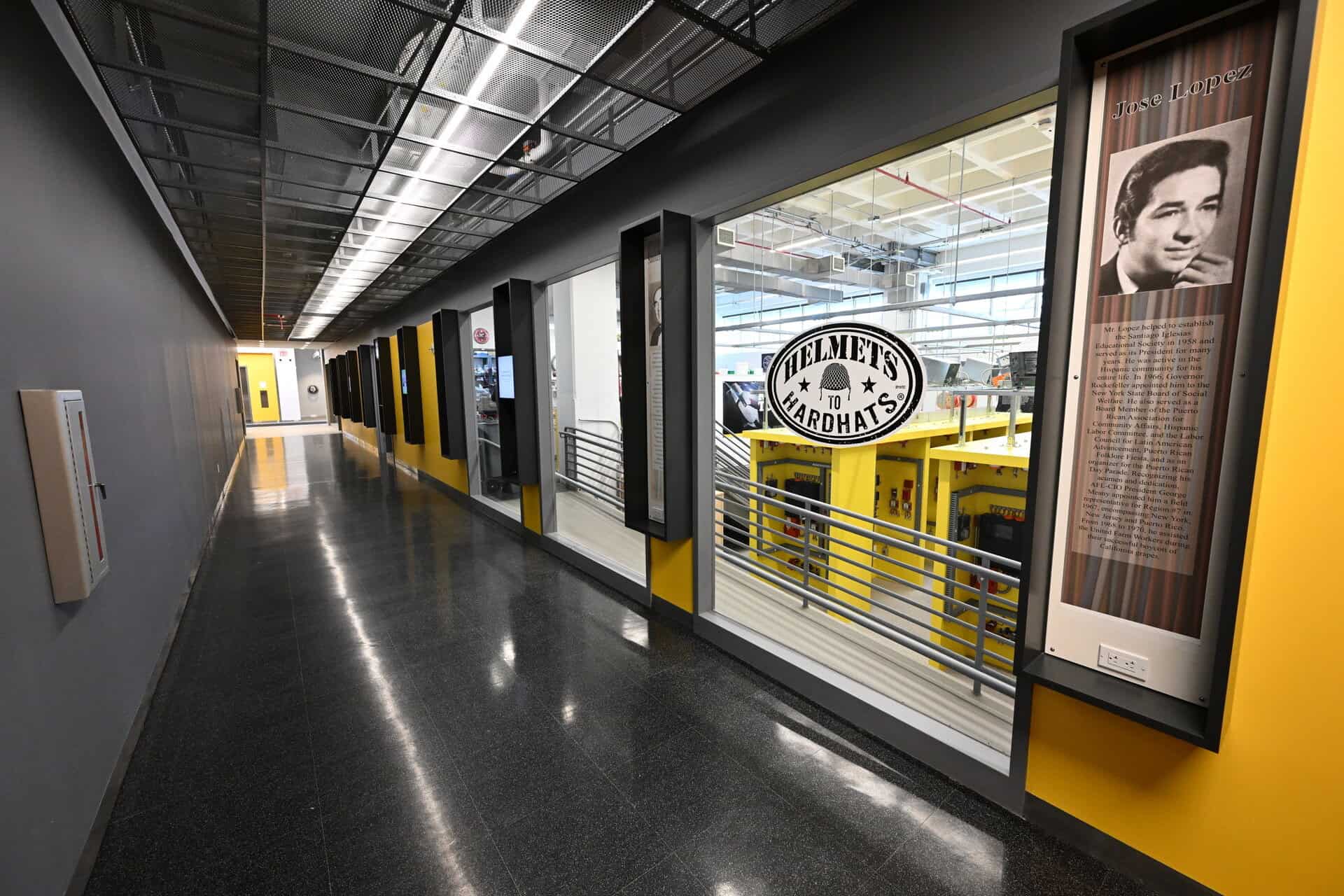
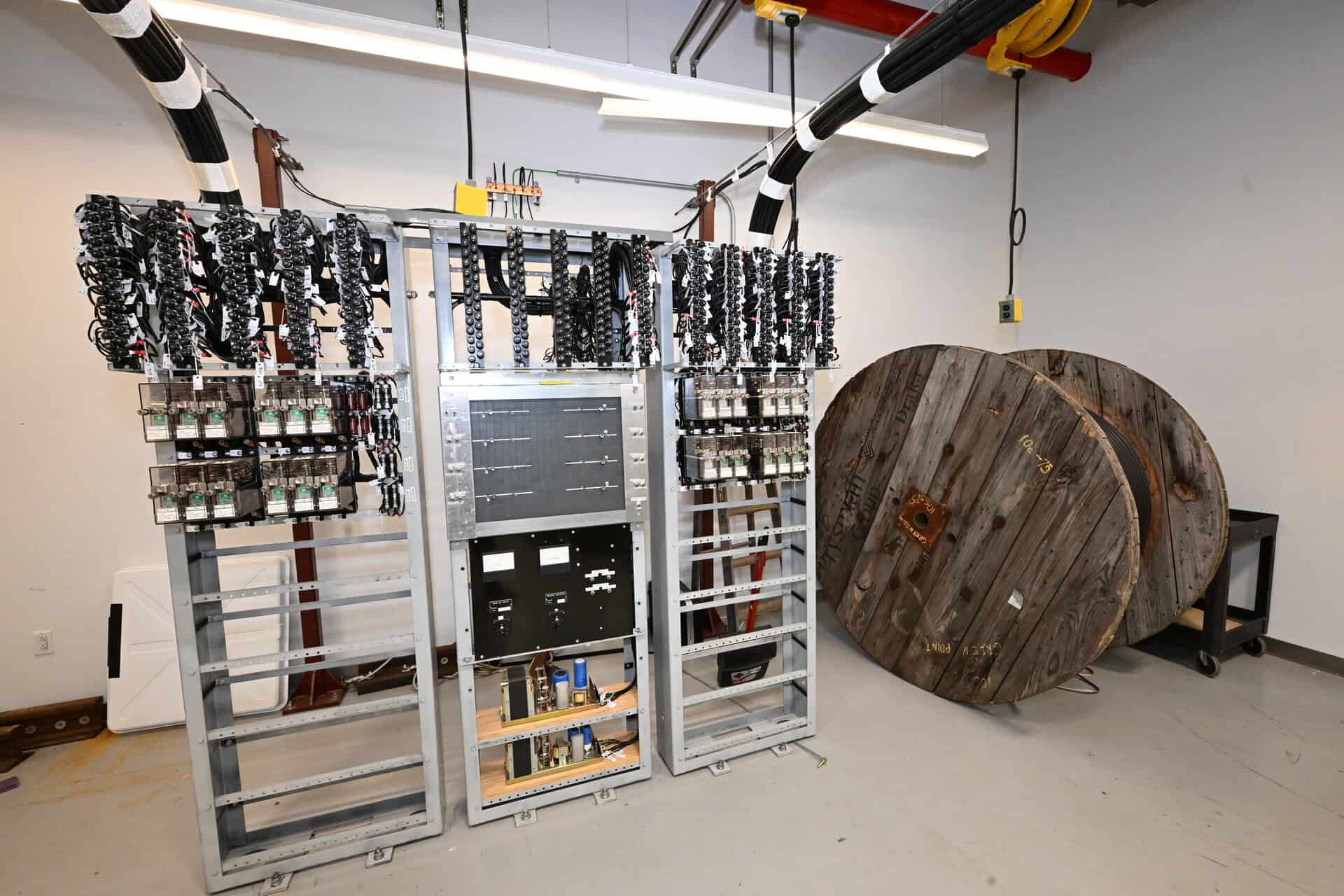
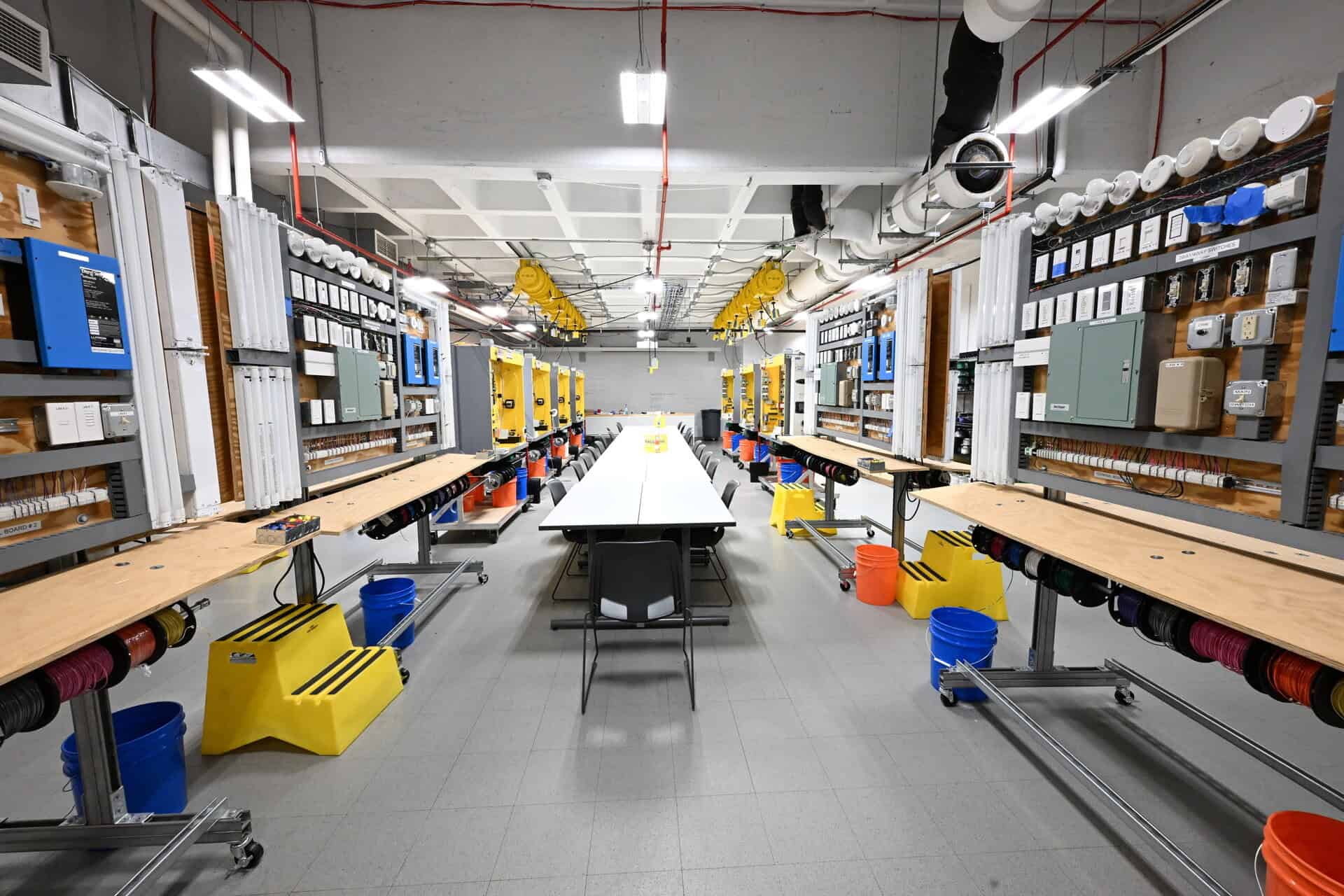
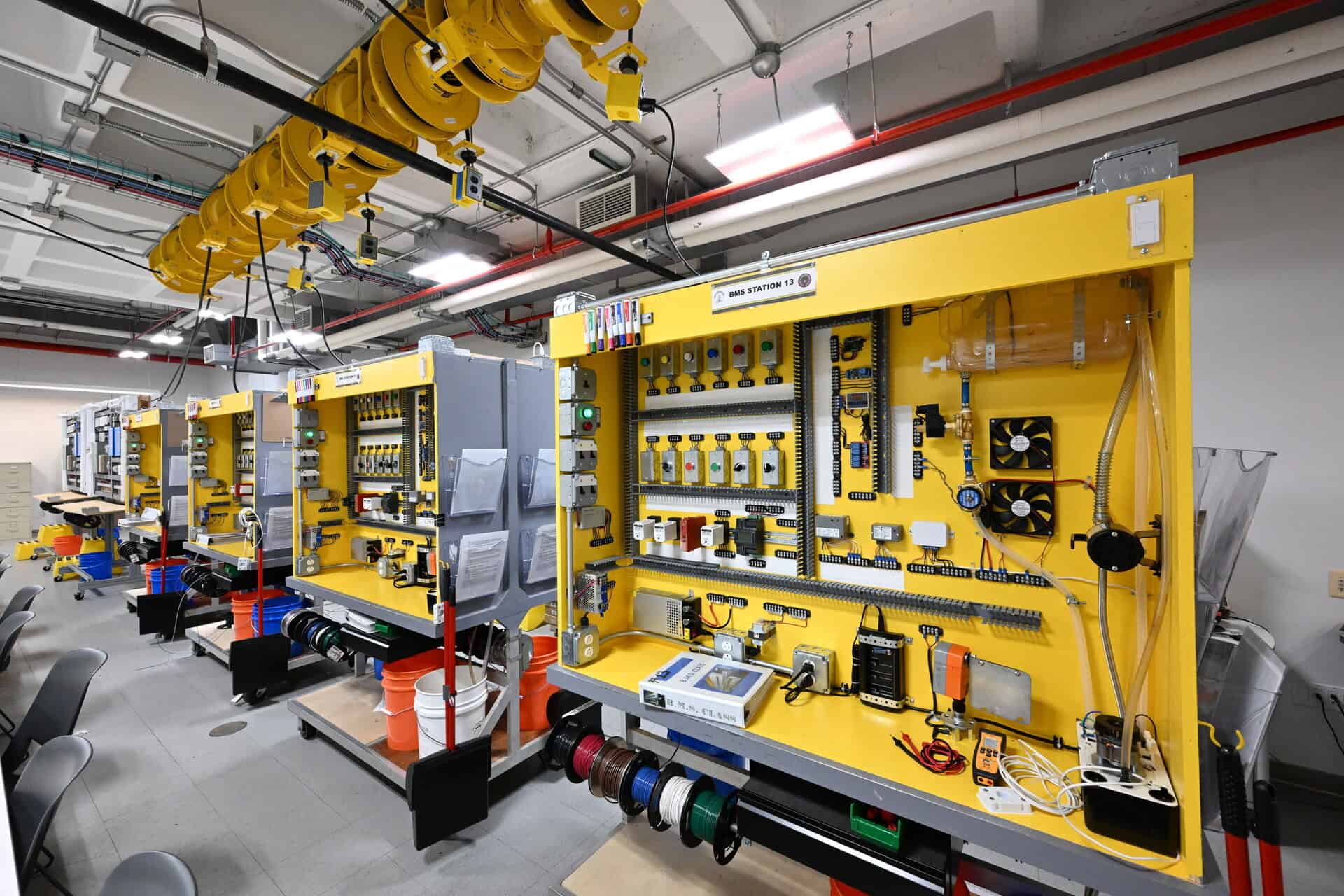
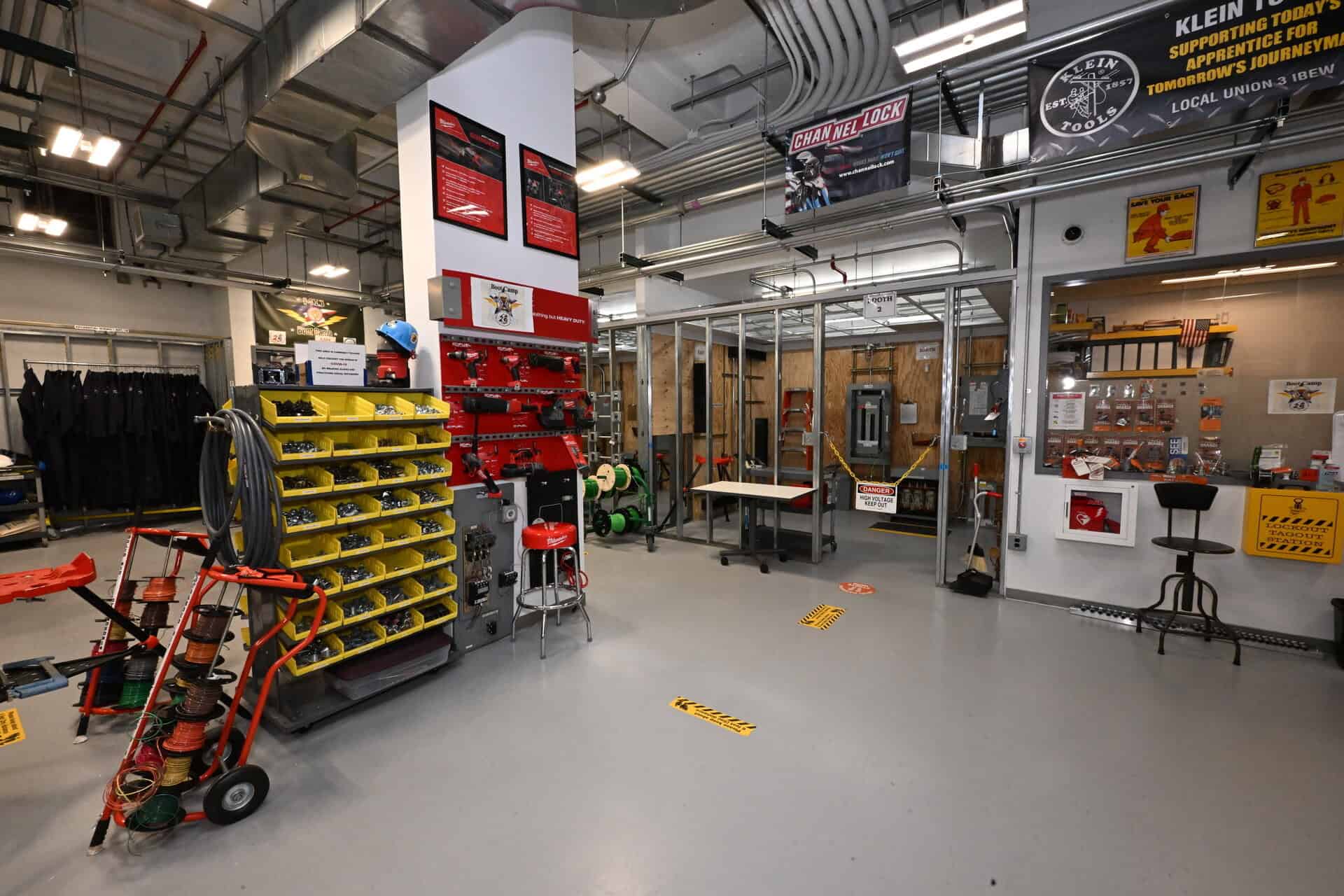
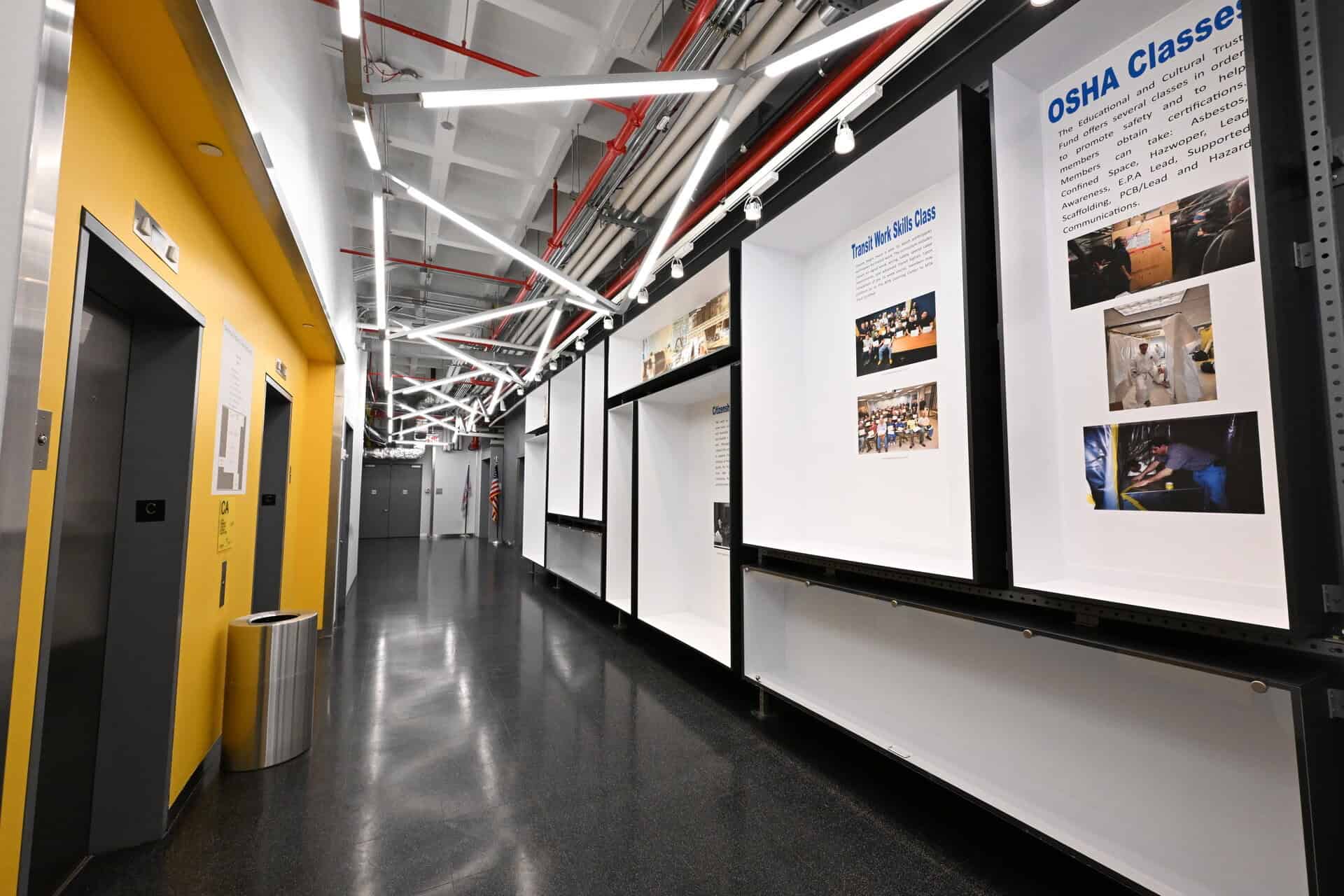
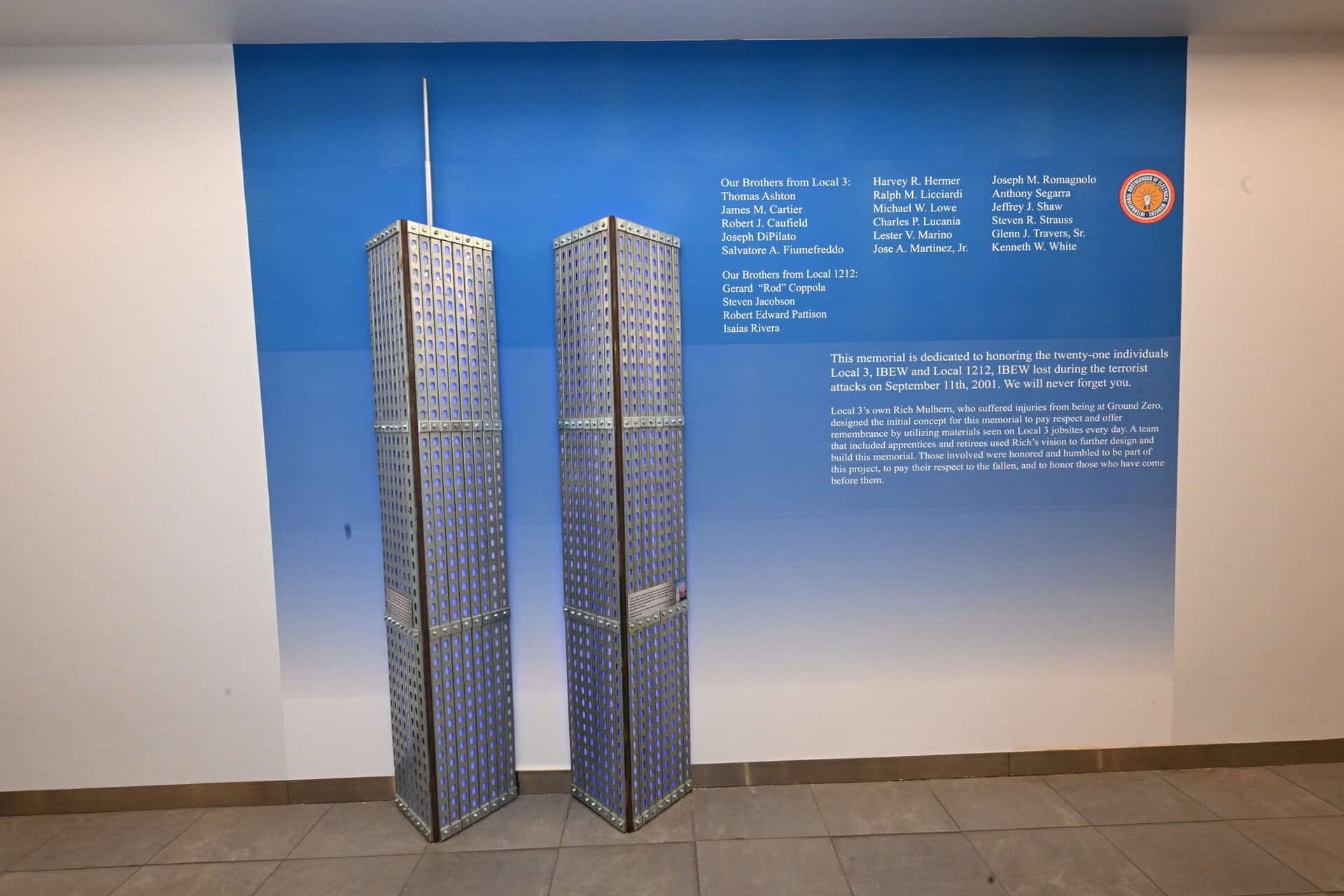
The Electrical Industry Training Center in Long Island City, N.Y. is an 82,000 sq. ft. state-of-the-art, hands-on training facility for members of Local Union No. 3, I.B.E.W.
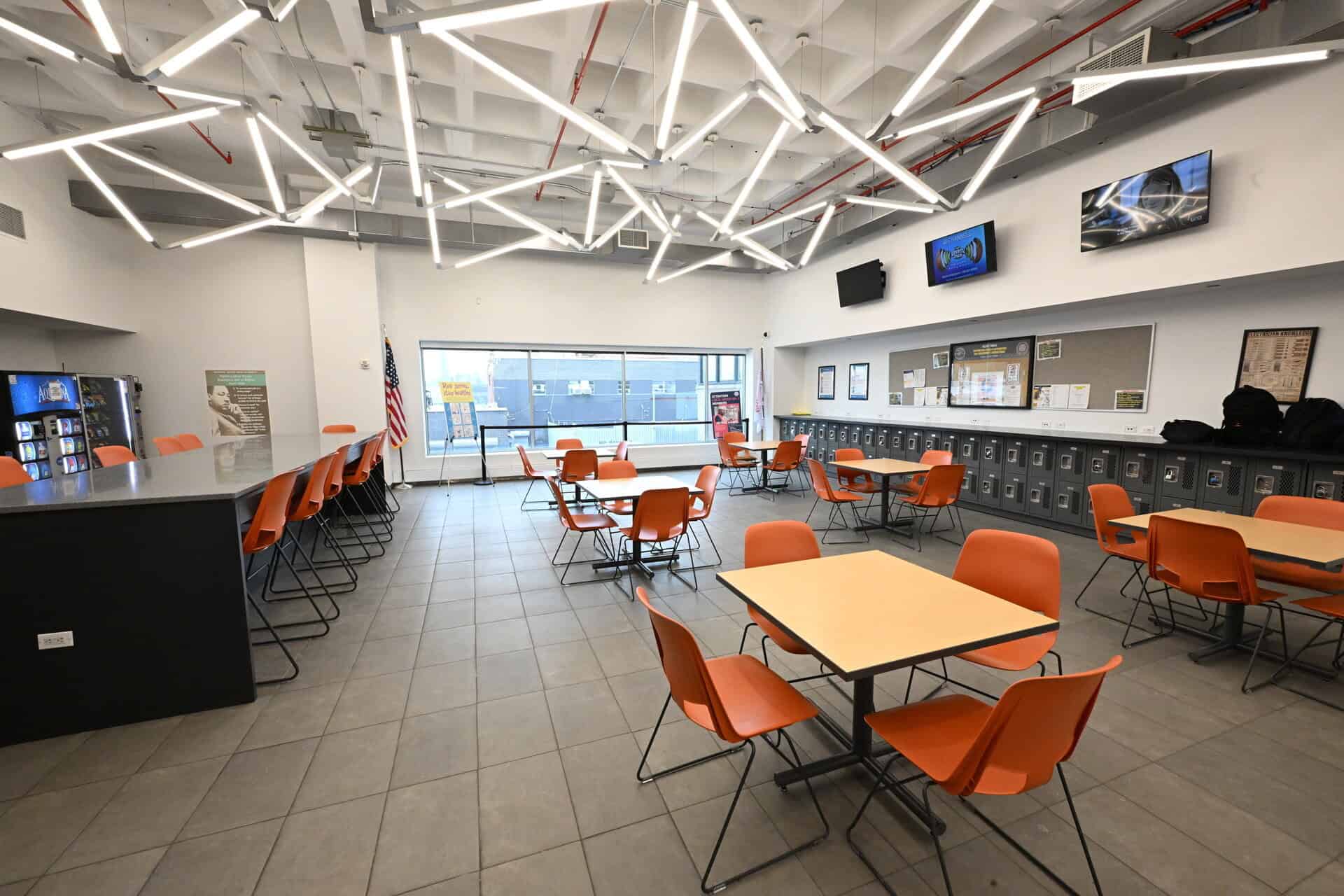
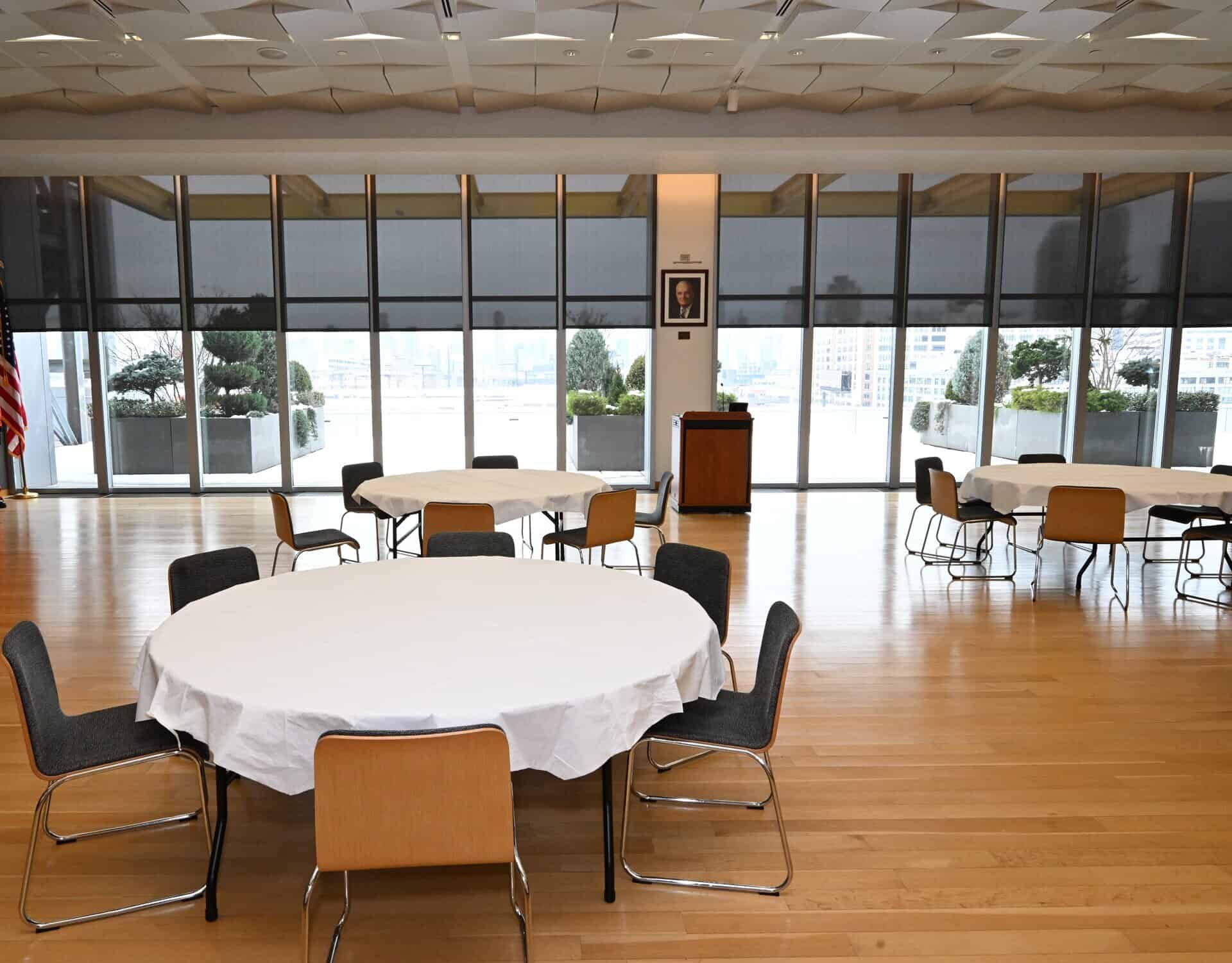
The renovated building has three floors of training space and a fourth floor, multi-use event space. The event space is able to seat 240 attendees for a conference.
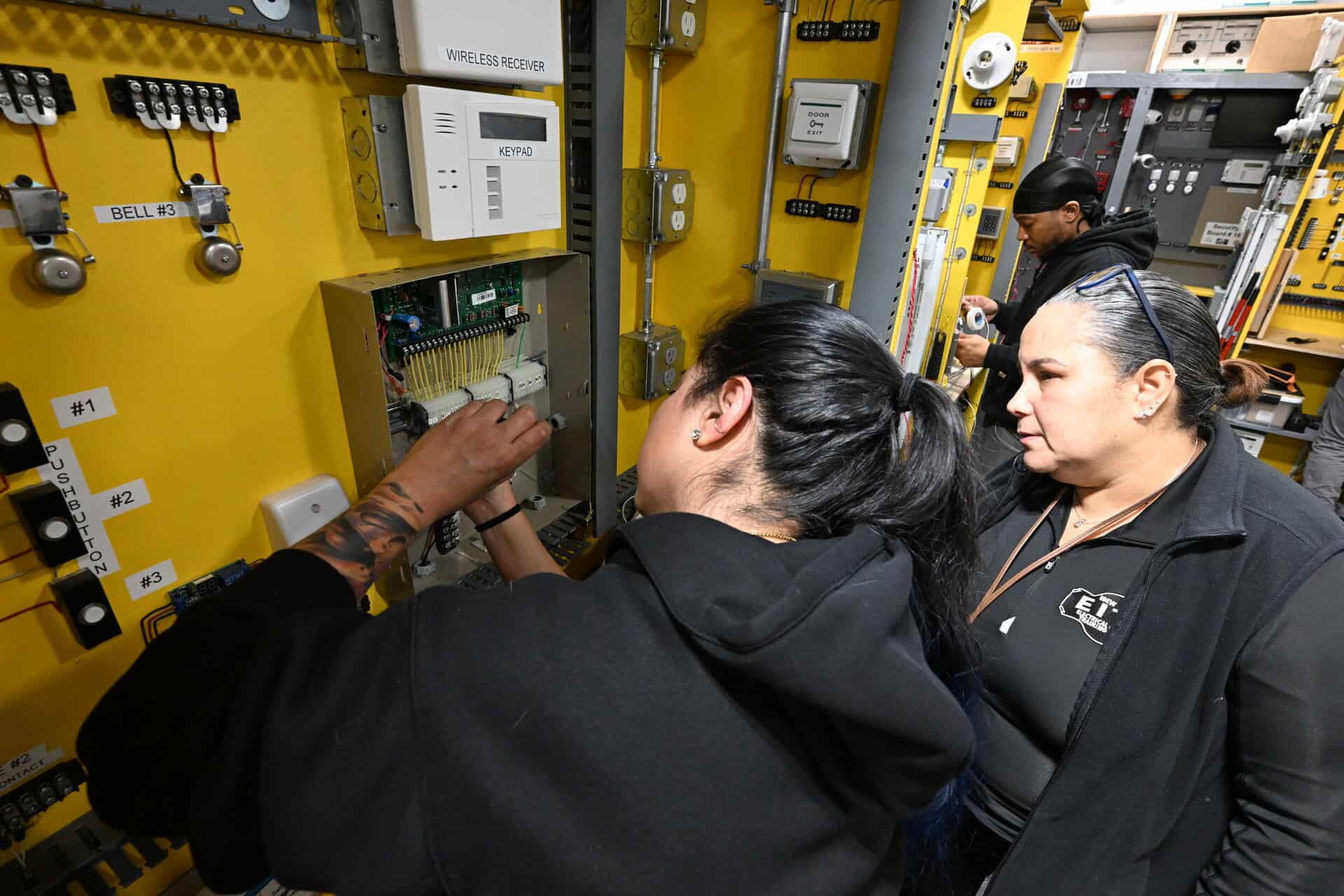
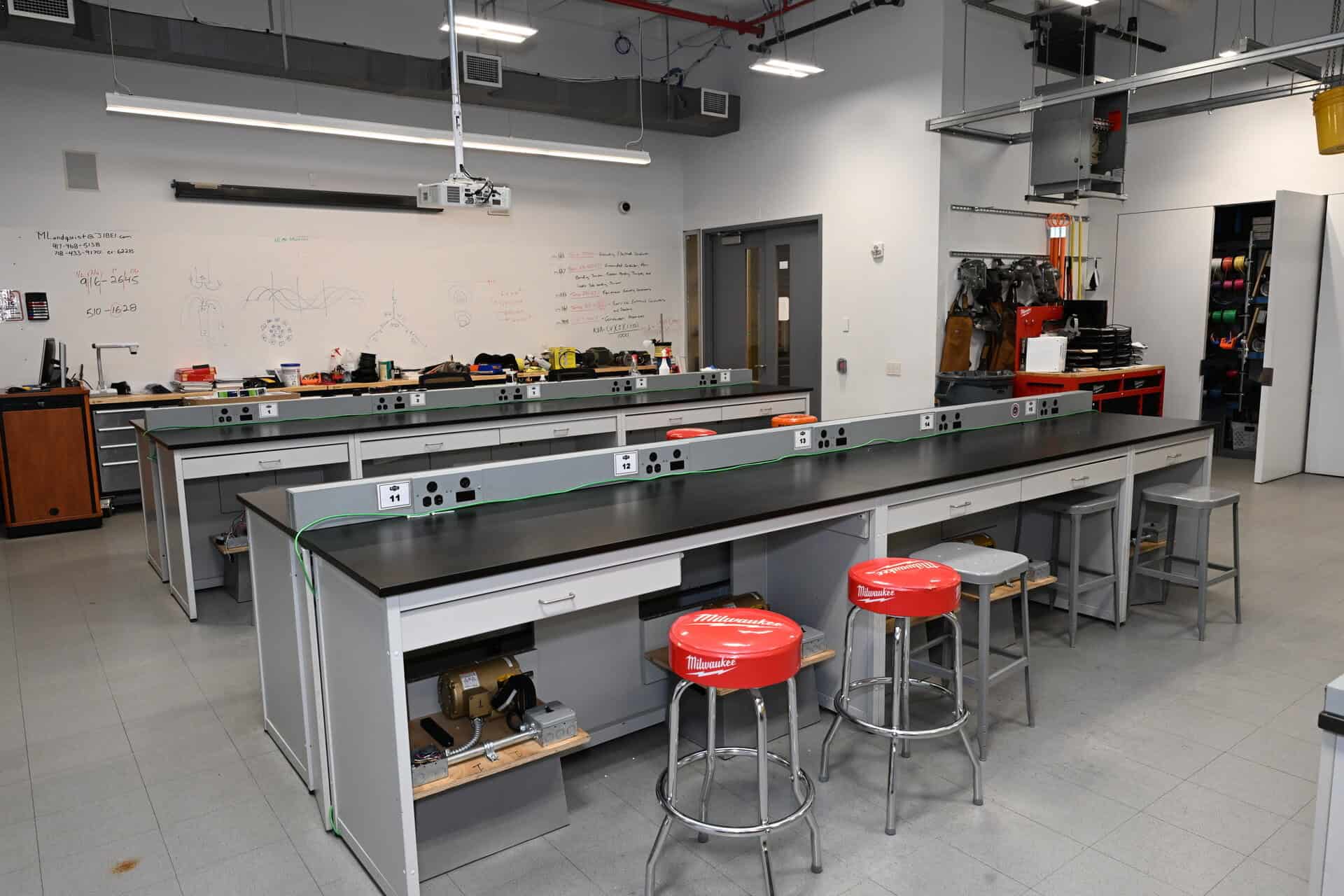
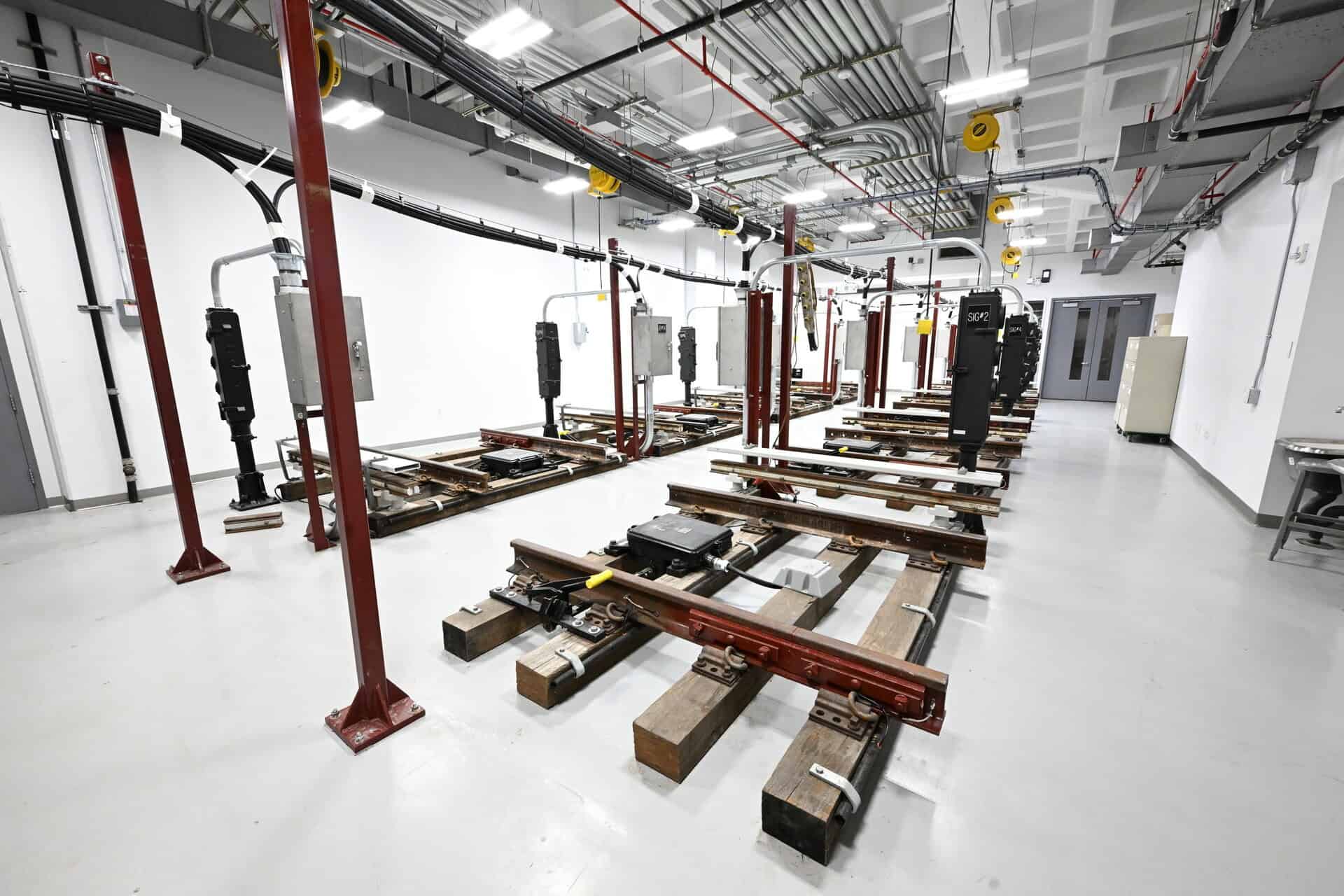
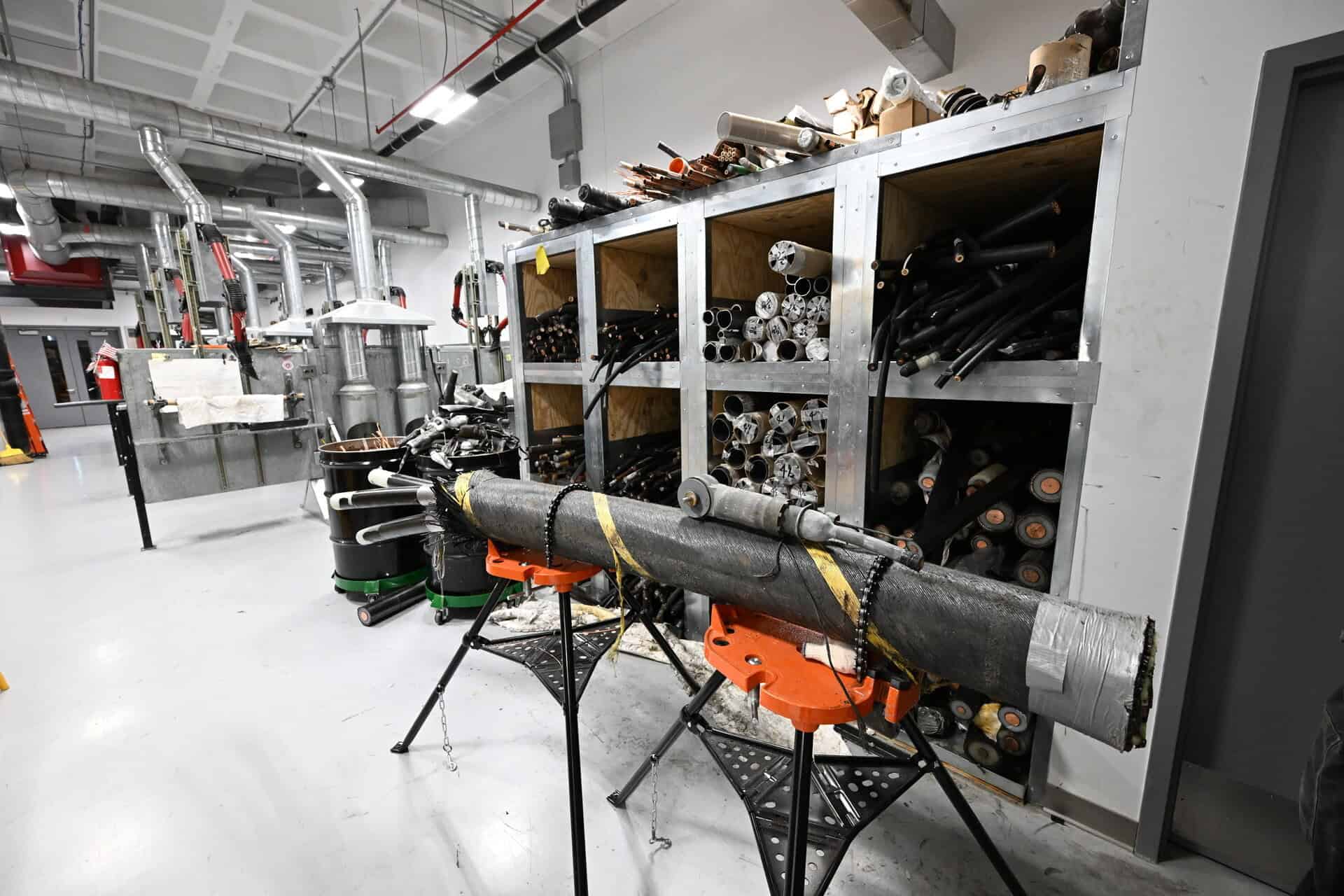
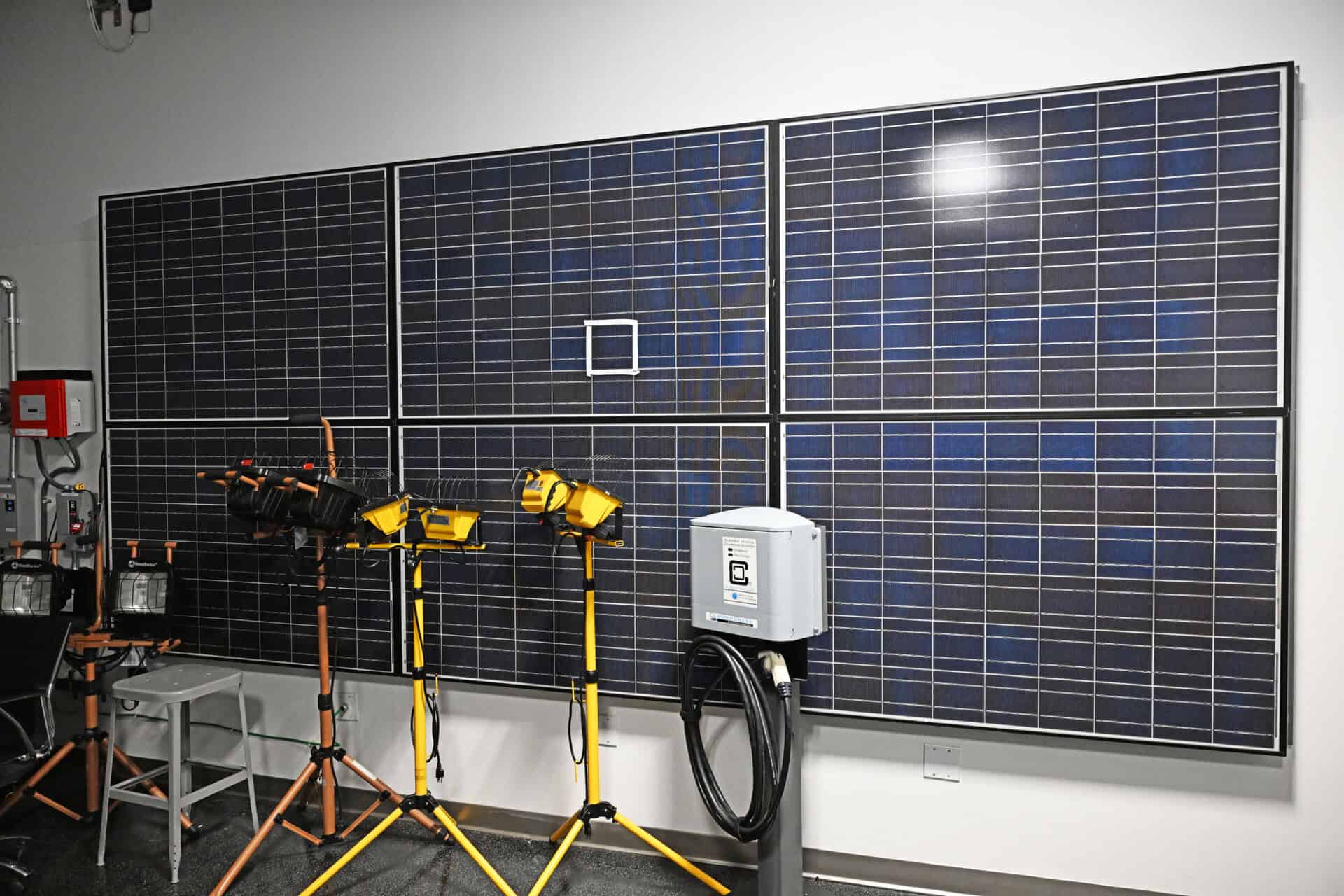
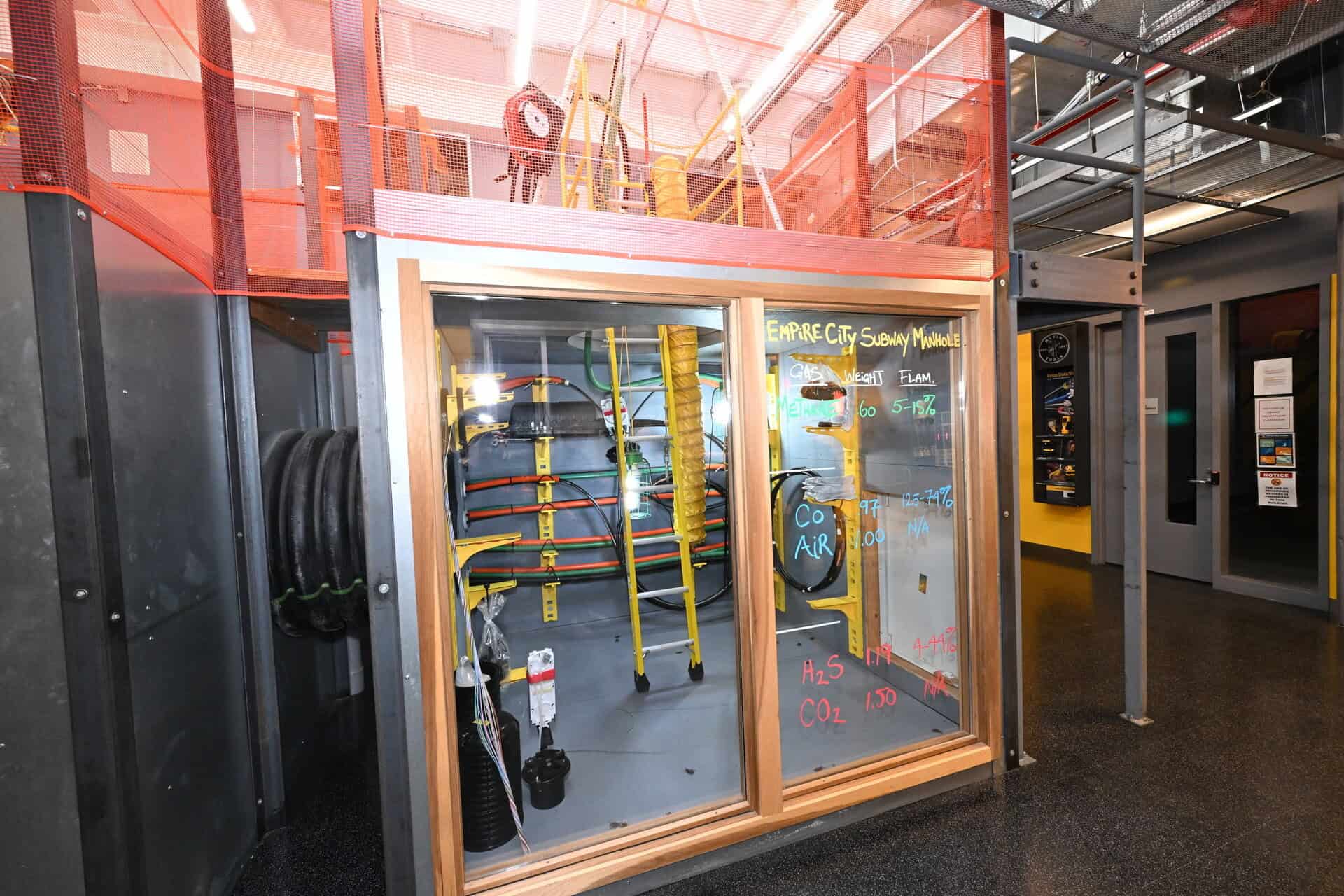
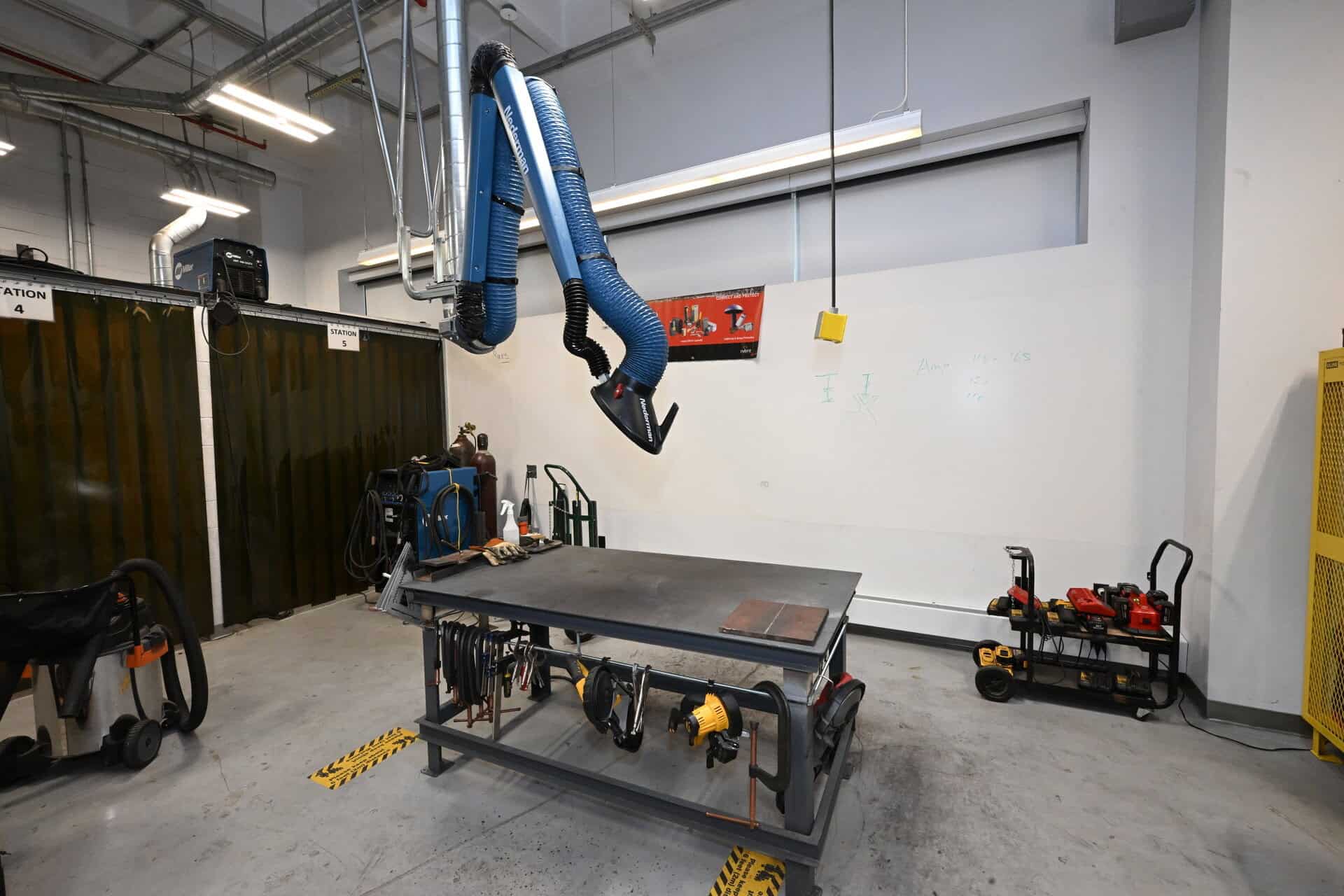
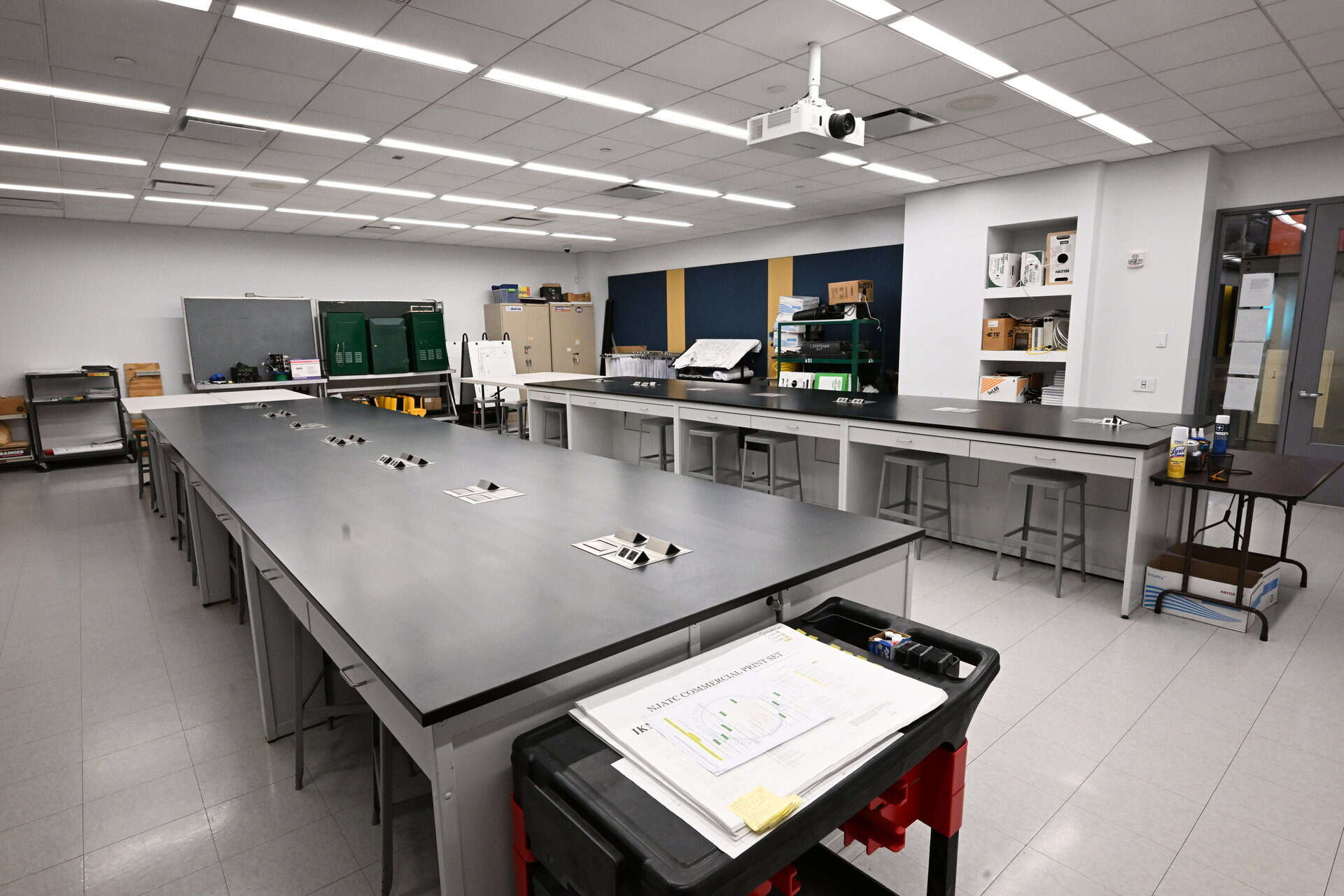
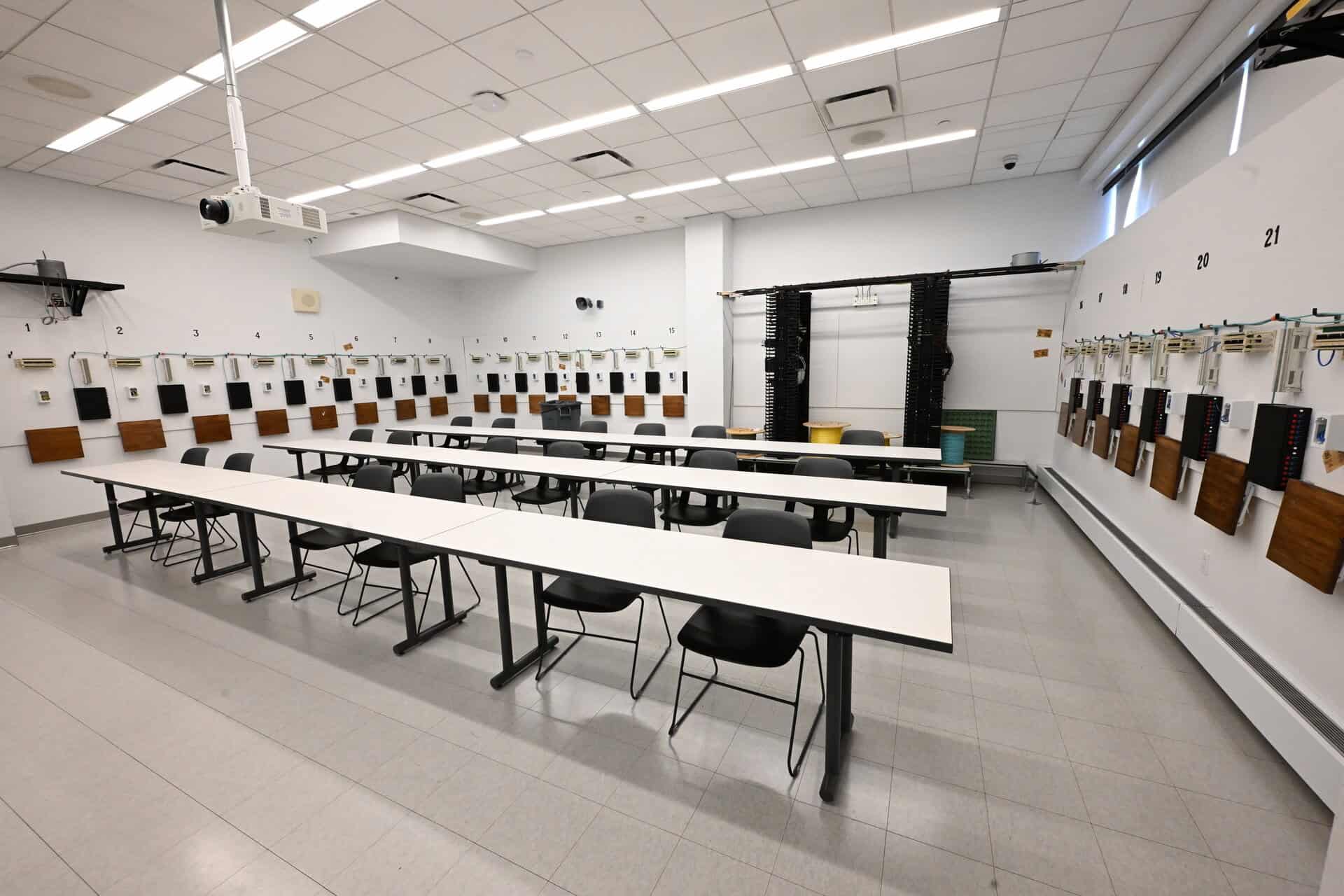
The training space includes specialty labs for Cisco, Tele-Data, Alternative Energy, Confined Space, High-Voltage Splicing, Welding, a 3,500 sq. foot boot camp for apprentices, RE/RW and organizing evaluations and an eight-track transit lab.
Twenty-two classrooms and labs have been dedicated to the various skills that apprentices and journeypersons must master to become the finest electrical workers in the world.


See More Photos
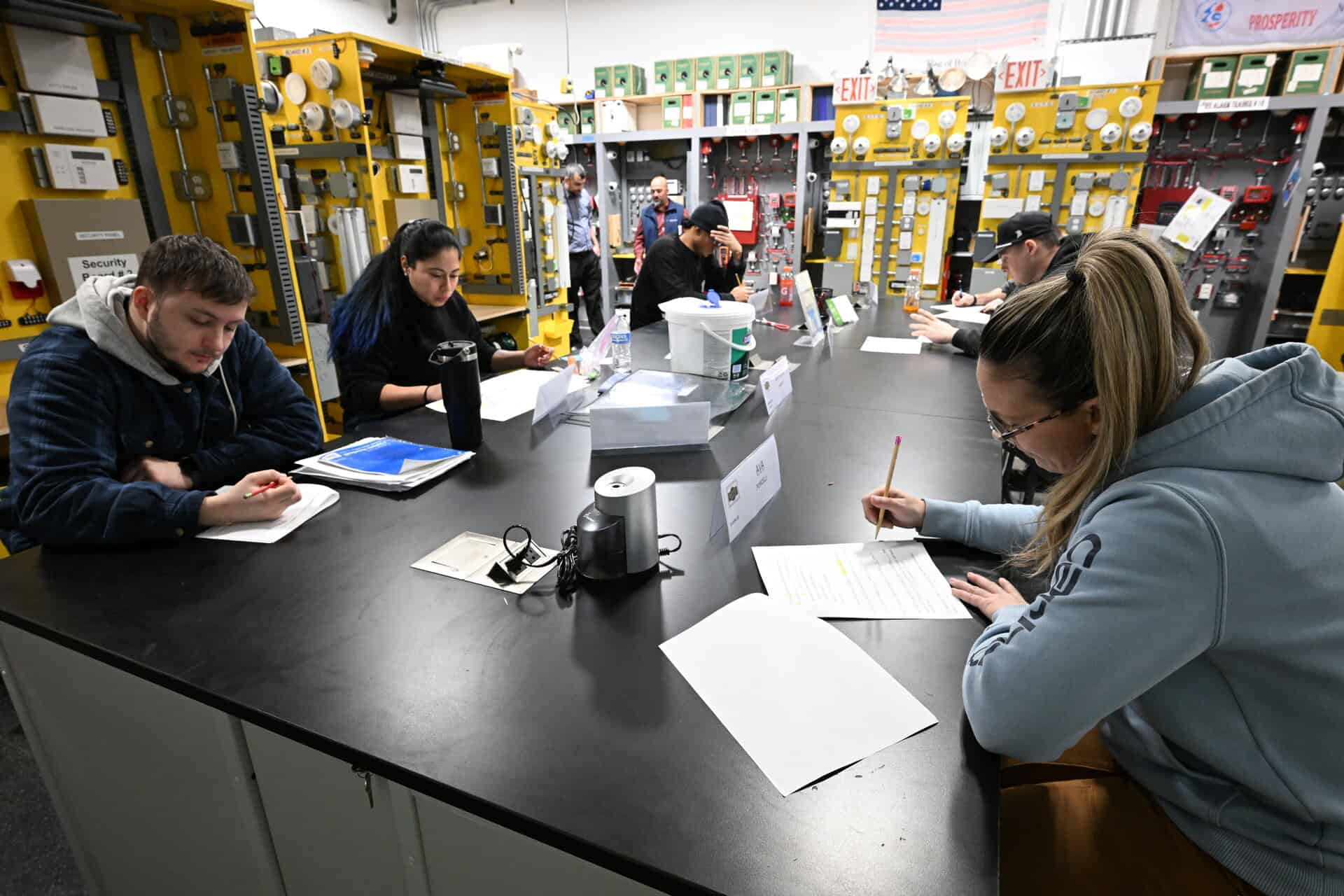
The Electrical Theory Night School
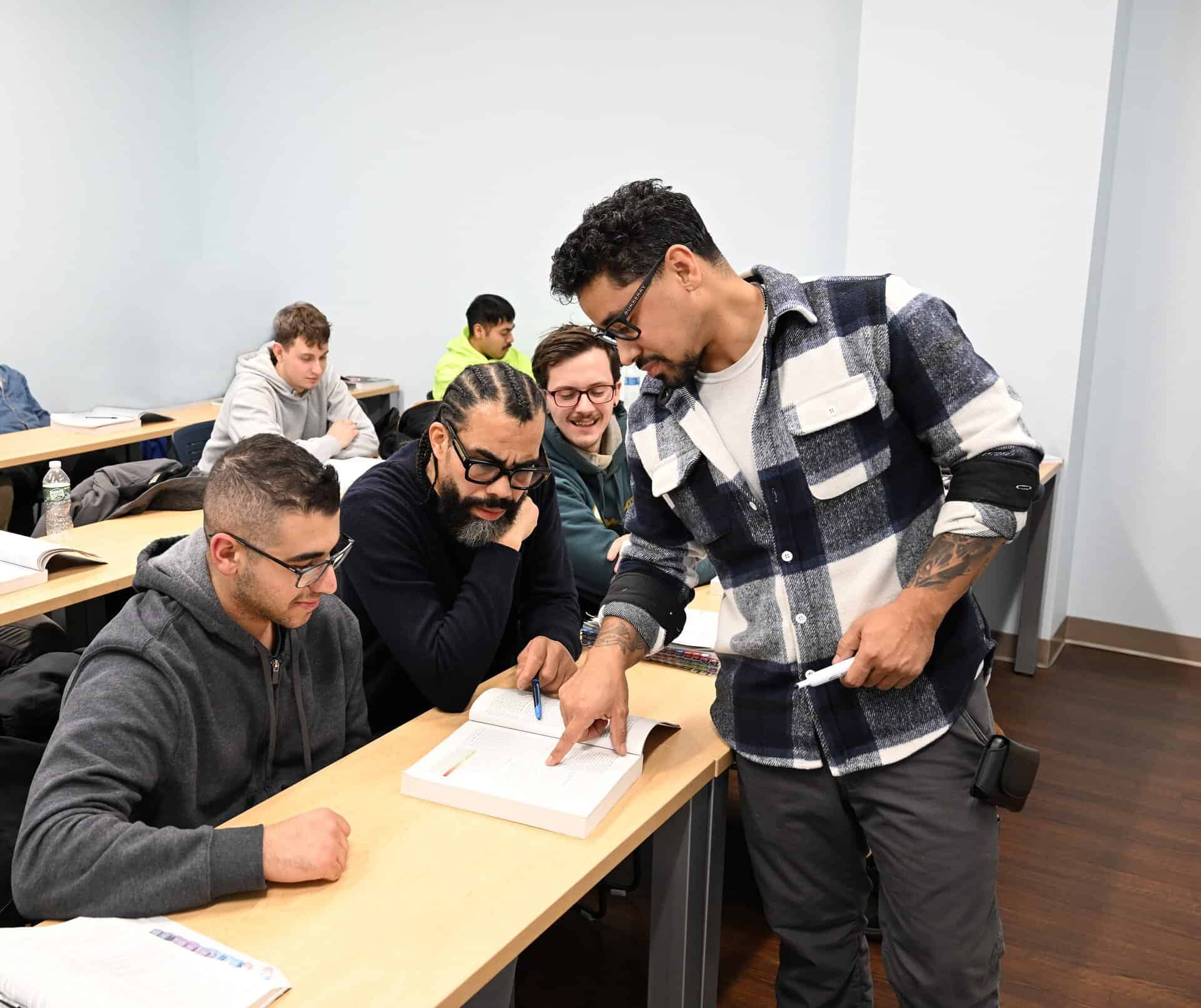
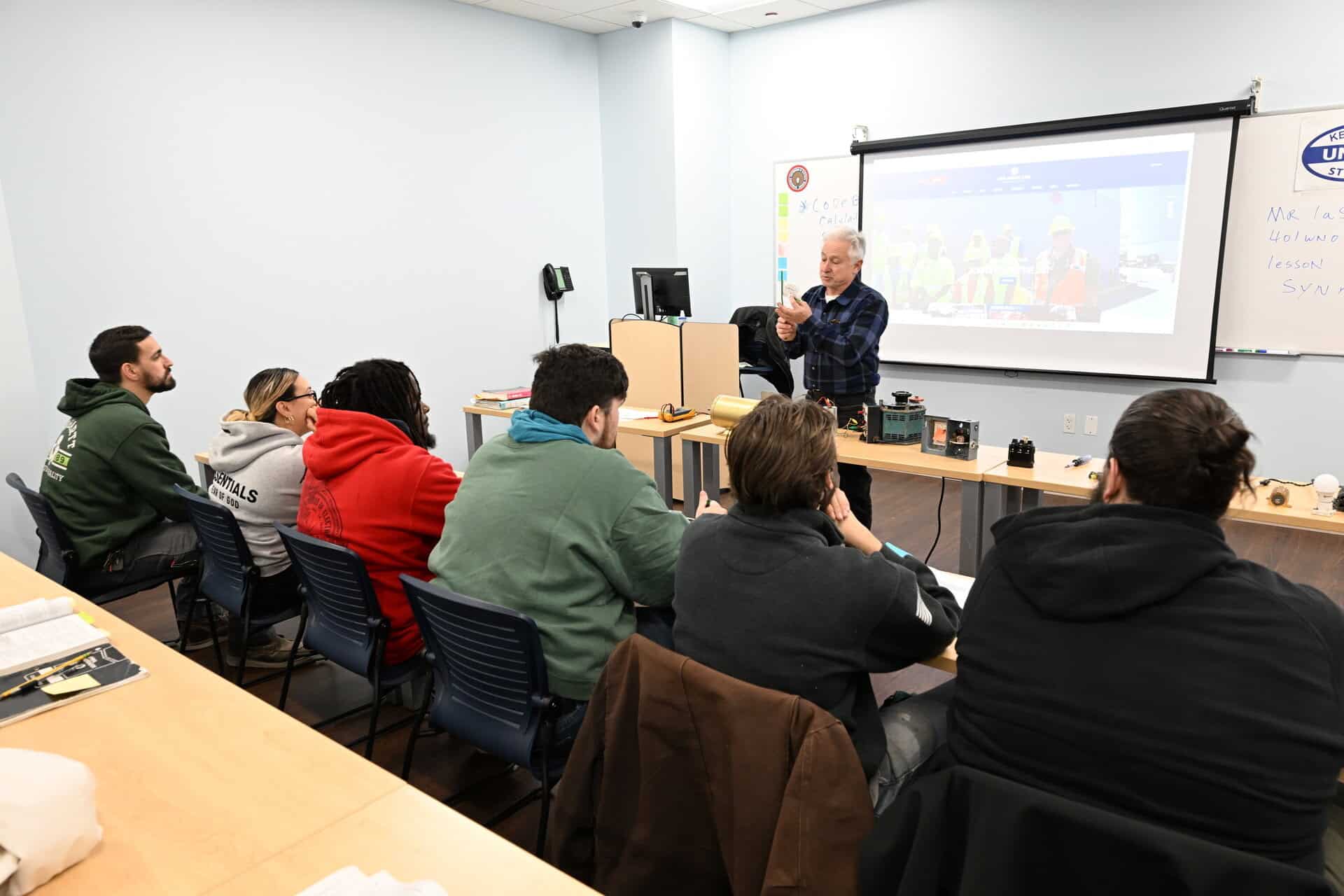
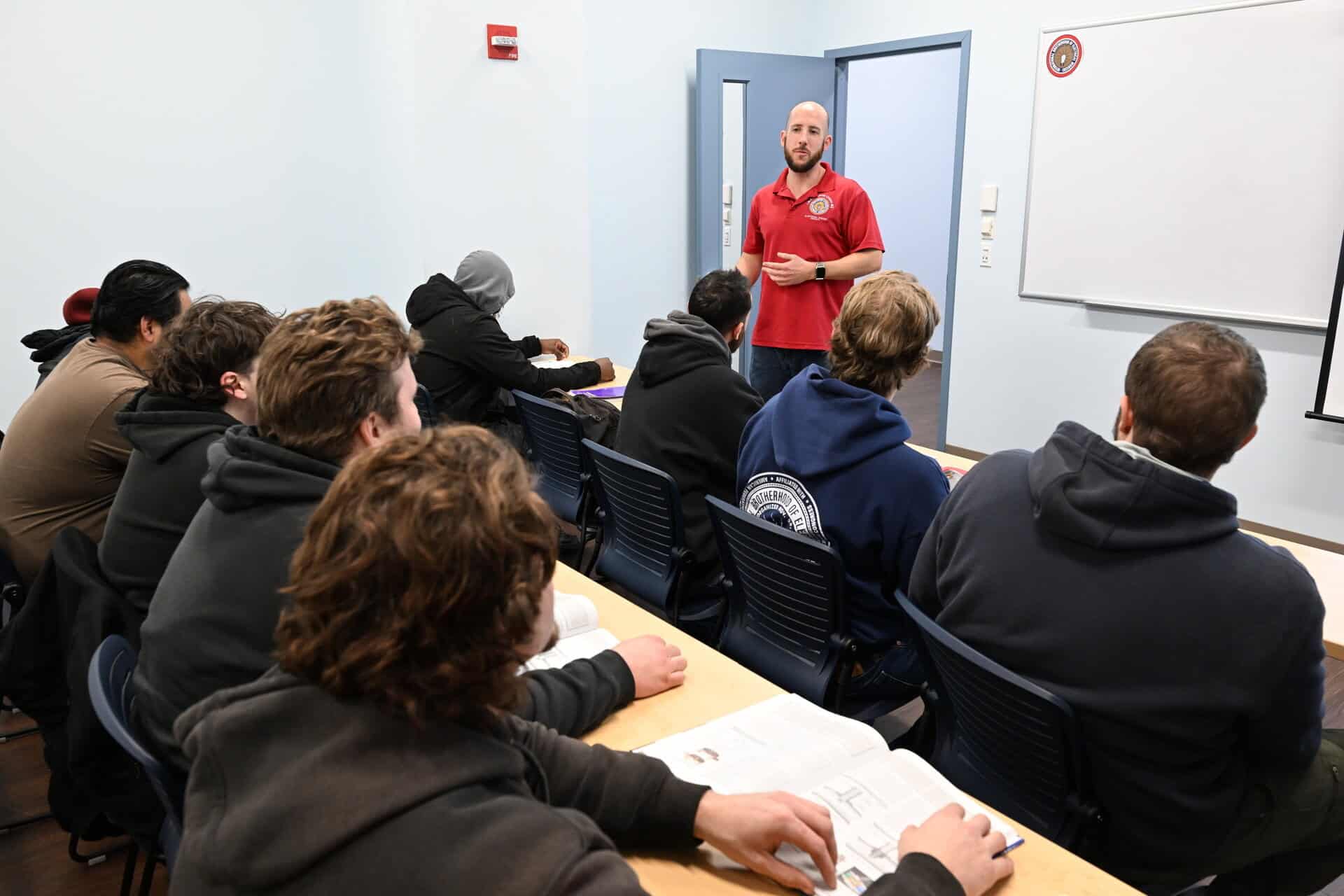
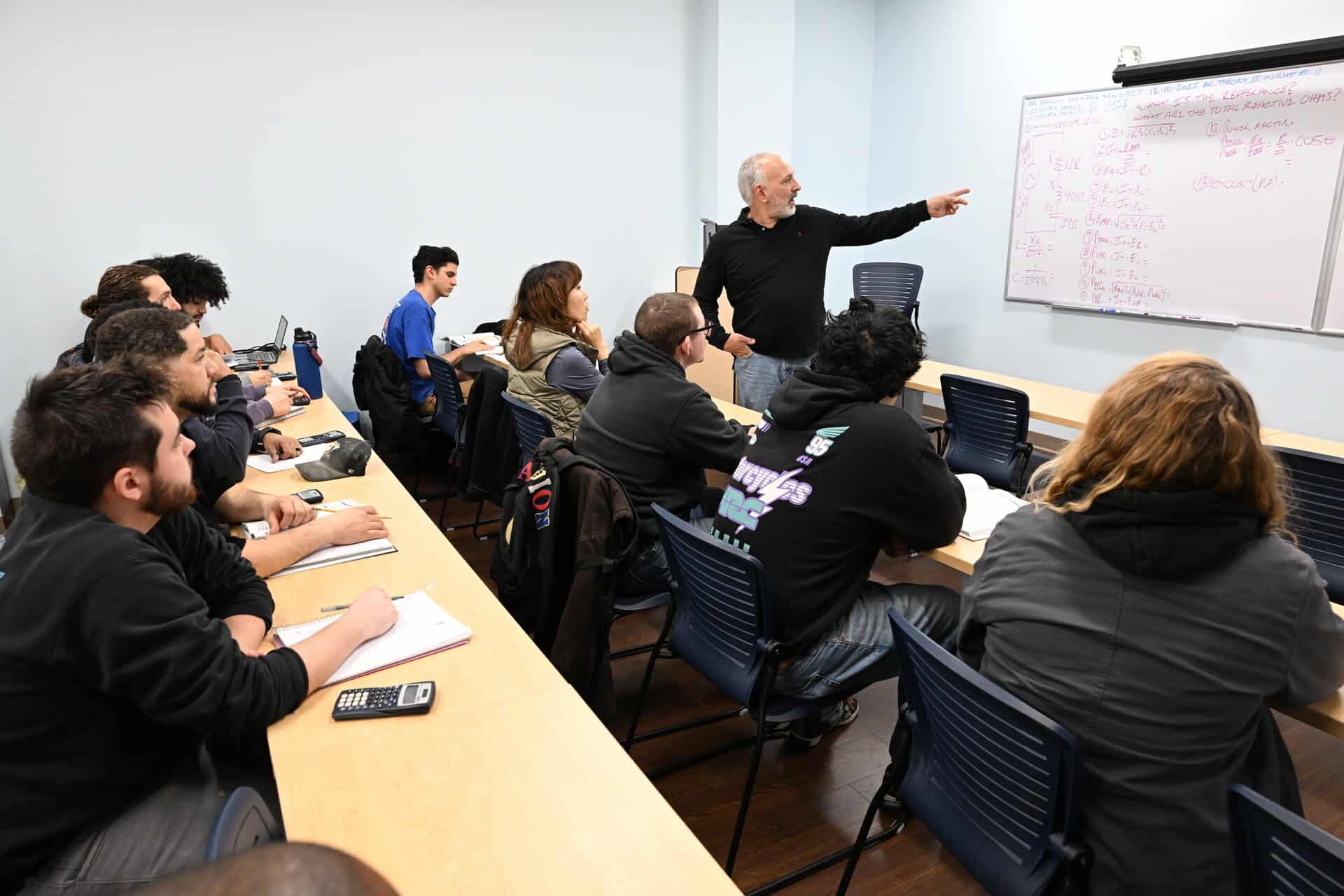
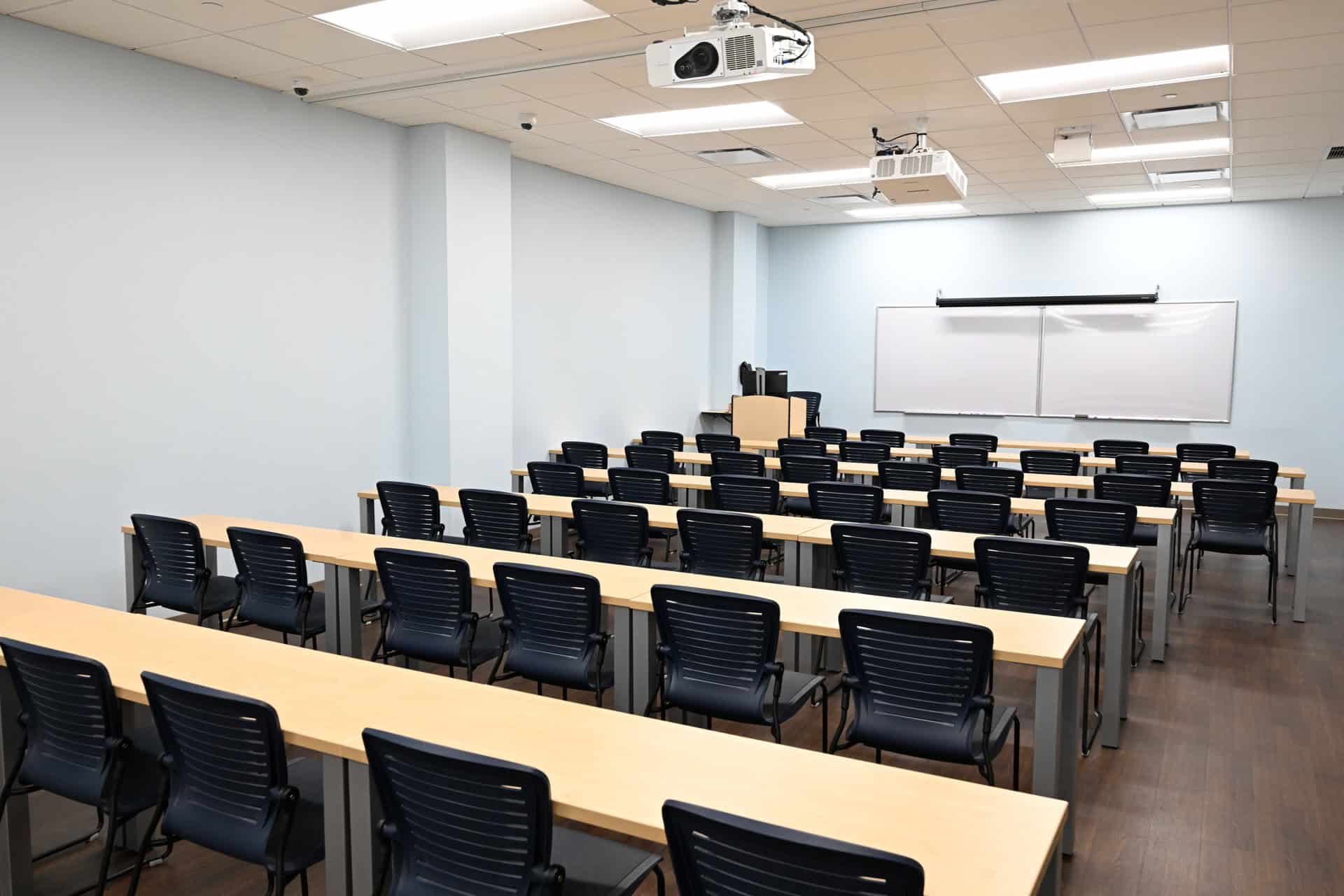
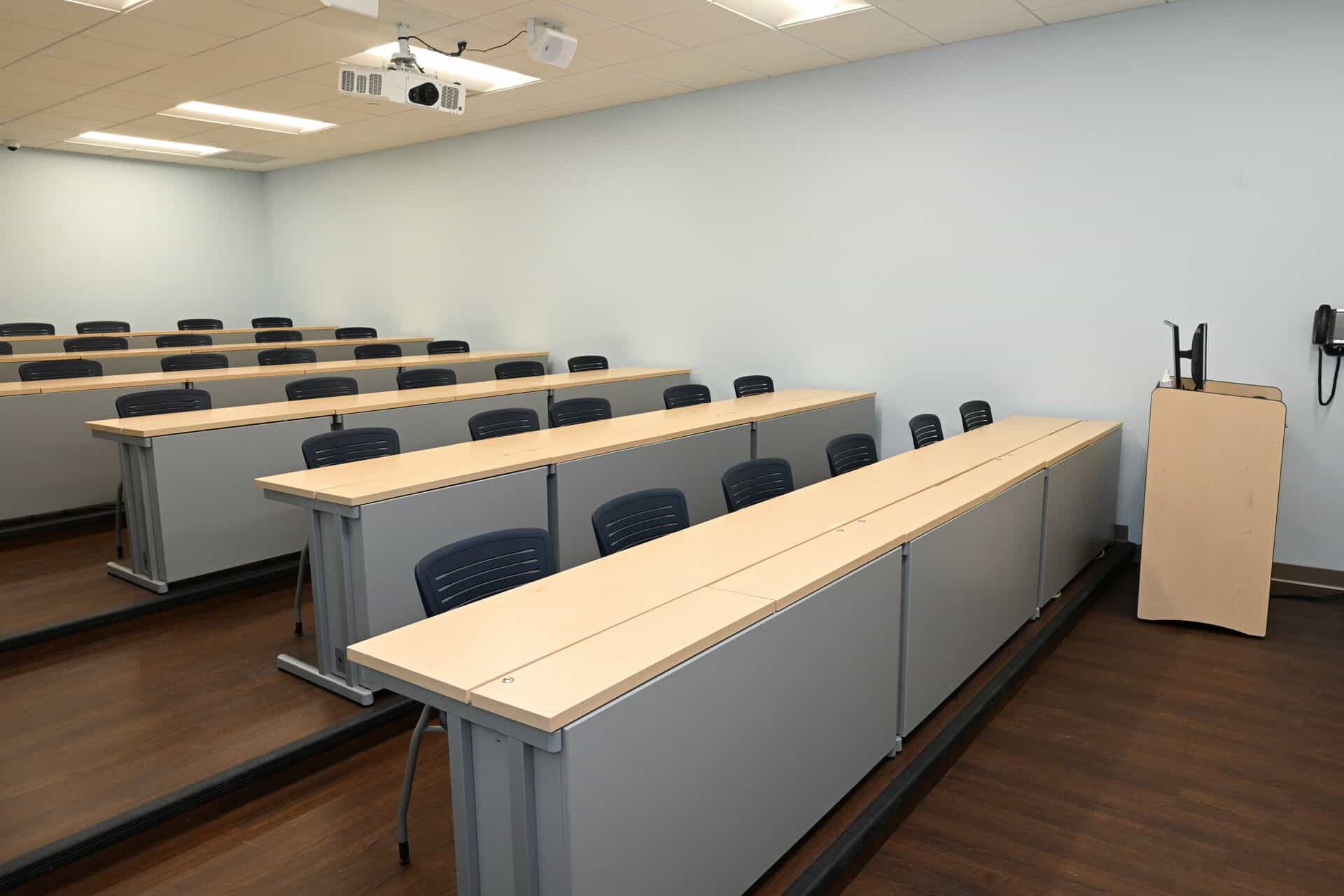
- Located in the heart of NYC at 107 West 33rd street.
- This state-of-the-art facility has 17 rooms with capacity of 24 – 30 students each.
- Here apprentices learn from a vast library of the NJATC and Electrical Training Alliance instructed by Journeyperson electricians that have been trained and work daily on construction sites throughout New York City.
- Apprentices learn here 1 night a week for 4 hours.
See More Photos
What is Apprenticeship?
- Apprenticeship is a well organized and supervised method, which industries use to train people with little or no prior knowledge of a craft, or trade, to become capable, qualified craftspersons or journeypersons. It is a “earn while you learn program.” The “on the job” portion of the training is a full time, well paid job.
- Gain experience using the most modern practices;
- Work under the direction of a competent journeyworker who will teach you the trade in the shop and at the jobsite;
- Attend evening classes a minimum of four hours each week to receive technical instruction and 3 hours each week in college courses leading toward an associate degree;
- Have your work experience reports, school grades and attendance reviewed before each wage increase is granted. Satisfactory progress results in automatic wage increases.
- Have the opportunity to become a member of the most respected and progressive Union in the Building and Construction Trades.
- The opportunity to “earn” a journey level status and certification, which is recognized throughout the United States.
Empire State University’s Harry Van Arsdale Jr. School of Labor Studies for Apprentices
One of the most unique aspects of the Joint Apprenticeship Training Program is its Associate Degree requirement. Guided by the Joint Industry Board of the Electrical Industry, this program is the only one in the nation that mandates apprentices to earn an associate degree as part of their training. Through this initiative, IBEW Local Union No. 3 apprentices gain a deeper understanding of the electrical industry and the labor movement’s vital role in shaping our country. To fulfill this requirement, apprentices complete 108 hours of college coursework at the Harry Van Arsdale Jr. School of Labor Studies, part of Empire State College, State University of New York.
Labor Studies at Empire State University’s Harry Van Arsdale Jr. School of Labor Studies comprises an examination of work, workers, and worker organizations, both historically and in contemporary contexts. It provides the opportunity for apprentices to critically examine the forces and relations of power that shape their lives, and collectively assess ideas, policies, and worker-centered strategies for social change and justice.
The labor-centered, liberal arts program was inspired by Harry Van Arsdale Jr. He was the leader of the International Brotherhood of Electrical Workers, Local 3, and the New York Central Labor Council.
Van Arsdale believed that the ability to think and write critically about issues facing workers was essential to having a strong voice on the job, and more generally, in a modern democratic society. The School of Labor Studies ensures that trade unionists and other workers acquire the skills and knowledge required to be leaders at work sites, in their communities, their unions, or worker centers.
The main location of HVASLS is at 4 Park Avenue in Manhattan, New York City.
Harry Van Arsdale Jr. School of Labor Studies | Empire State University
Beyond the Classroom: The Apprentice Journey

Apprentice Advisory Committee
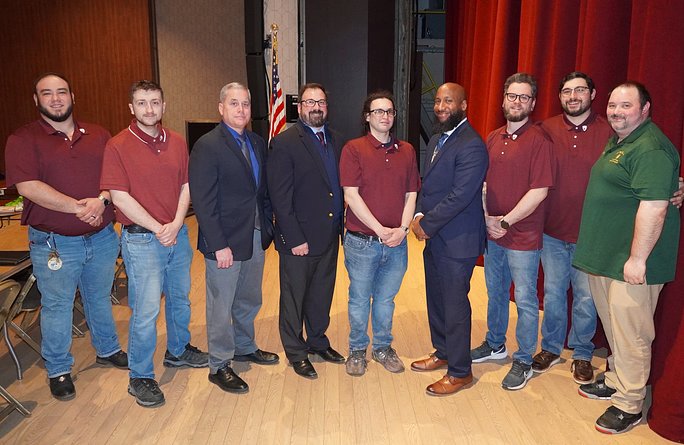
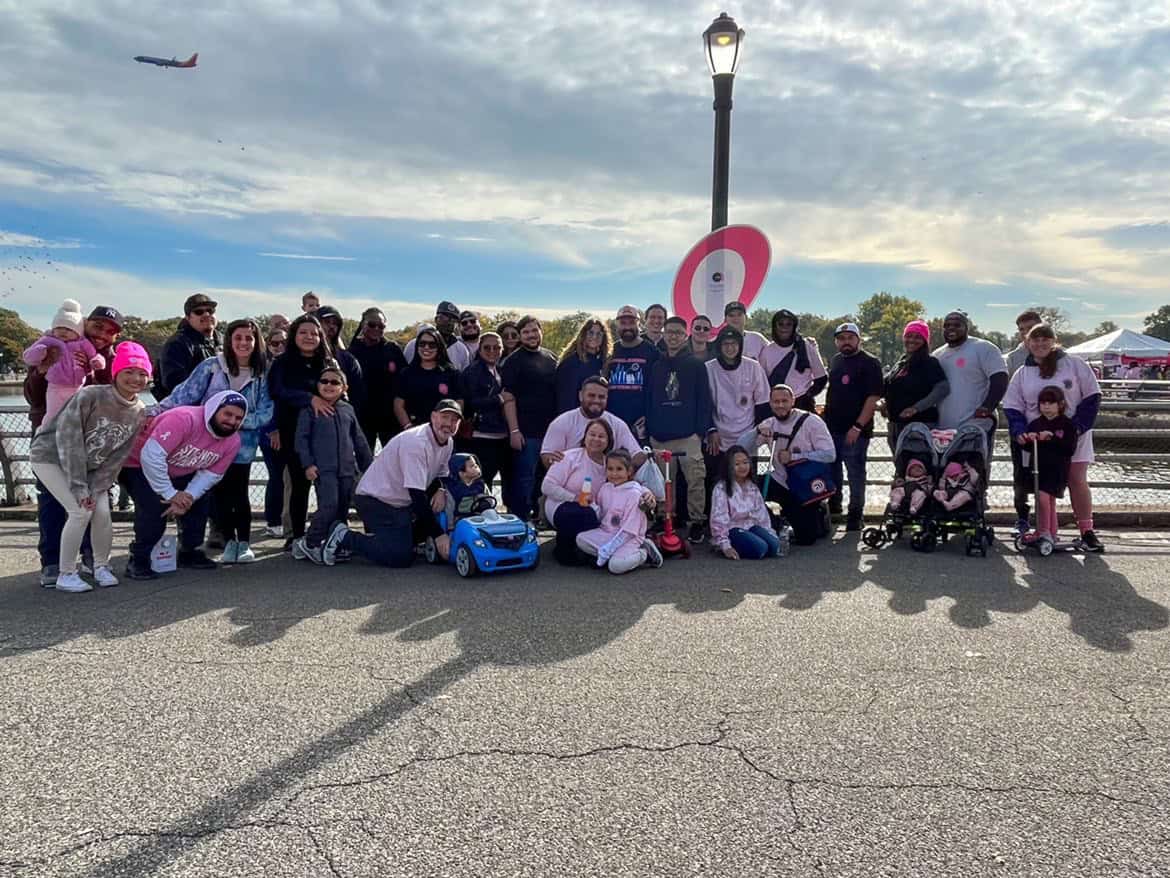
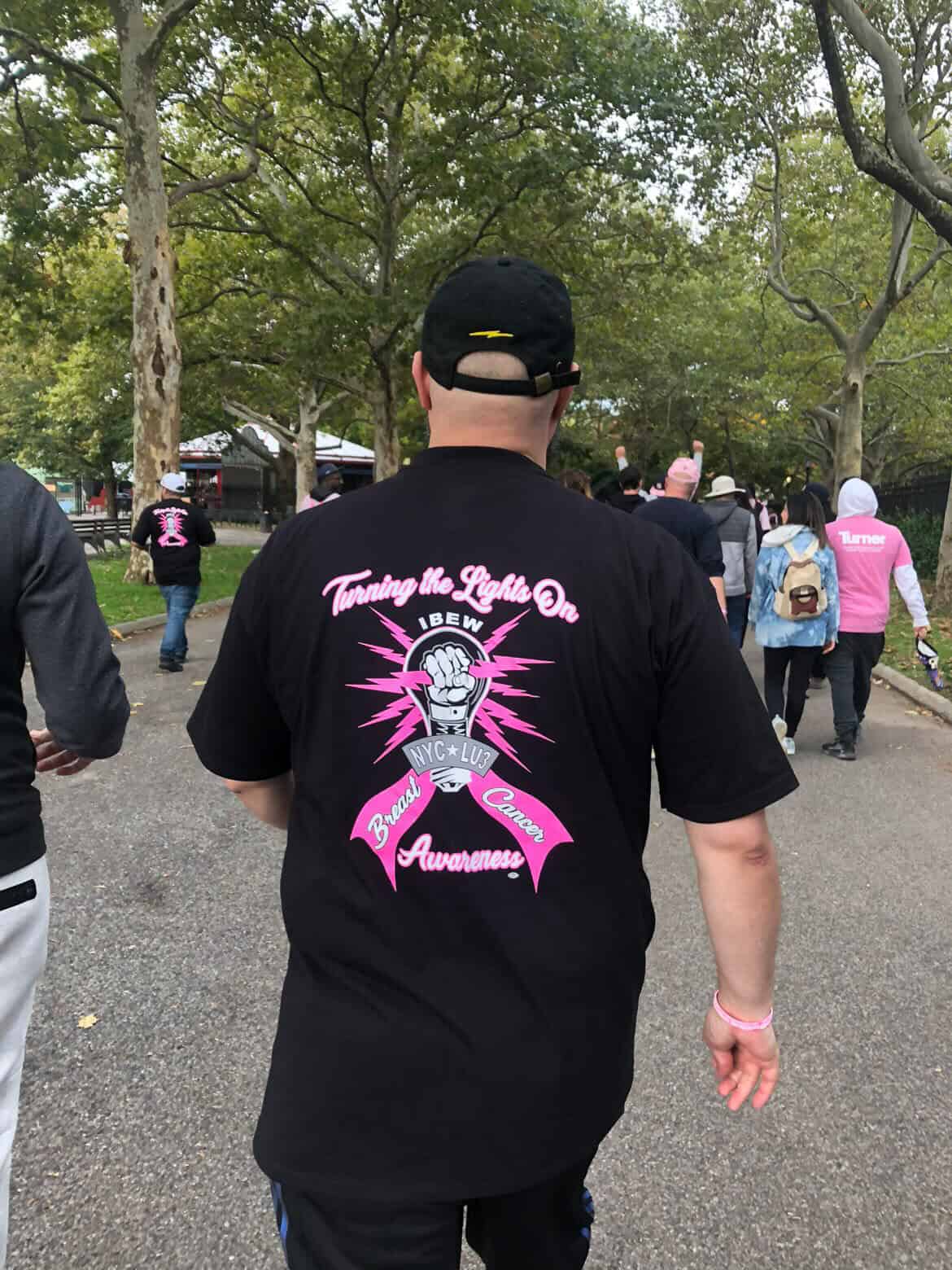
The Apprentice Advisory Committee is made up of highly engaged apprentices who take an active role in strengthening unionism and community within the program. This group helps coordinate events, encourage participation, and foster a sense of pride, connection, and shared responsibility among their fellow apprentices. Through their leadership, the committee supports initiatives that highlight that being an apprentice is not just about classroom learning, but also about contributing to the broader union community and giving back.